William Aiken Jr.
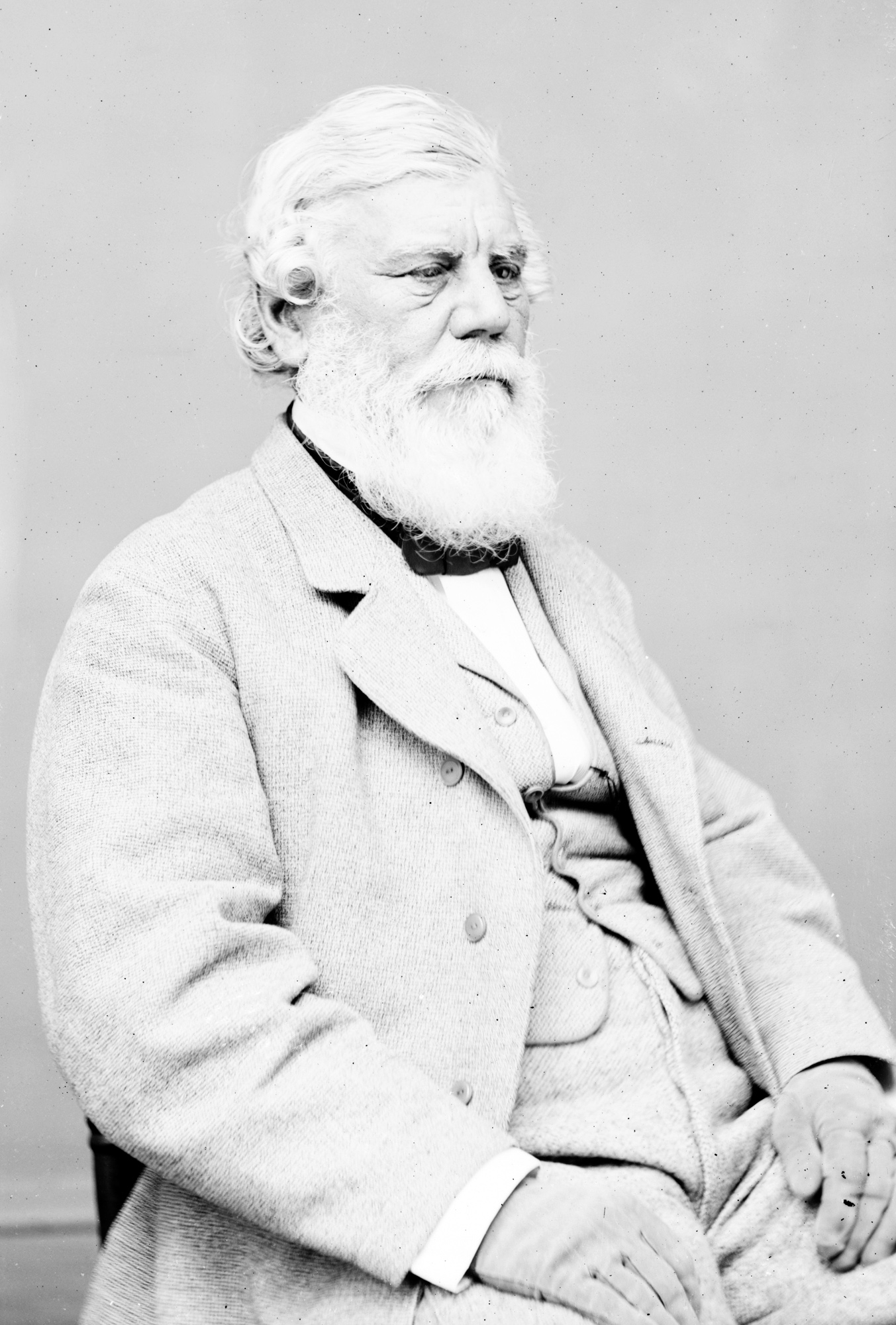
William Aiken Jr.
U.S.A.

Social Media

Personal Background
William Aiken Jr. graduated from the College of South Carolina and established himself as a prominent figure in state and federal politics. He held various positions, including a term as governor, and served multiple terms in both the state legislature and the U.S. House of Representatives. Aiken managed one of the largest rice plantations in the state, employing hundreds of enslaved individuals before transitioning to a paid labor system post-Civil War. Despite his Unionist sentiments, he faced significant property loss during the war. His legacy includes both recognition for his agricultural contributions and recent controversies leading to the renaming of an academic honors program at the College of Charleston.
Political Ideas
William Aiken Jr.'s political identity is marked by a complex blend of traditional Southern values and Unionist loyalty. Despite his significant wealth from one of the largest rice plantations in South Carolina, Aiken Jr. maintained a surprisingly progressive stance on post-war labor practices, paying his formerly enslaved workers. His Unionist sentiments, particularly his vocal opposition to secession and affirmation of loyalty to the Union, contrast sharply with his Southern aristocratic roots. This juxtaposition invites scrutiny into how he reconciled his economic interests with his political beliefs, revealing a nuanced approach to regional identity and allegiance.