William A. Palmer
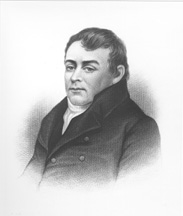
William A. Palmer
U.S.A.
Social Media

Personal Background
William A. Palmer completed his elementary education and studied law, gaining admission to the bar in 1805. He held various judicial and legislative positions, including serving as a Probate Judge, Clerk of the county court, and member of the Vermont House of Representatives. Palmer also served as the Second associate justice of the Vermont Supreme Court and as a United States Senator. He demonstrated leadership by organizing the first convention of Vermont's Anti-Masonic Party and served as Governor of Vermont, during which he focused on education, financial reform, and economic development.
Political Ideas
William A. Palmer's political identity is marked by his ideological agility, shifting from Democratic-Republican to National Republican, Anti-Masonic, and finally Democrat. His legislative efforts reveal a calculated approach to regional economic interests, such as his anti-Masonic laws and financial reforms. Palmer's tenure as governor saw an expansion of educational and economic infrastructure, hinting at a nuanced balance between progressivism and conservatism.