Whitemarsh Benjamin Seabrook
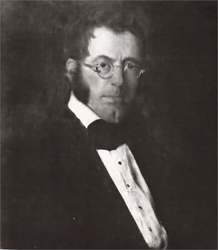
Whitemarsh Benjamin Seabrook
U.S.A.

Social Media

Personal Background
Whitemarsh Benjamin Seabrook graduated from the College of New Jersey and became a prominent figure in South Carolina's agricultural sector, advocating for crop diversification. He authored influential works on the cotton plant and the socio-economic status of slave-holding states. Seabrook transitioned into politics, serving in the South Carolina House of Representatives and later the Senate, where he also held the position of Lieutenant Governor. During his governorship, he championed education reform while simultaneously opposing education for Black people, leading to significant legislative actions against Black literacy. Post-governorship, he remained active in Southern political causes.
Political Ideas
Whitemarsh Benjamin Seabrook's political identity is marked by a paradoxical blend of progressive agricultural advocacy and regressive stances on racial equality. Seabrook championed crop diversification among farmers while simultaneously leading efforts to suppress Black education, revealing a complex approach to social and economic issues. His governorship saw him push for broader education access, yet this was overshadowed by his earlier campaigns against Black literacy. Seabrook's ideological positioning oscillates between progressive economic policies and regressive social policies, creating a compelling tension that invites deeper inquiry into his motivations.