Wendell Phillips
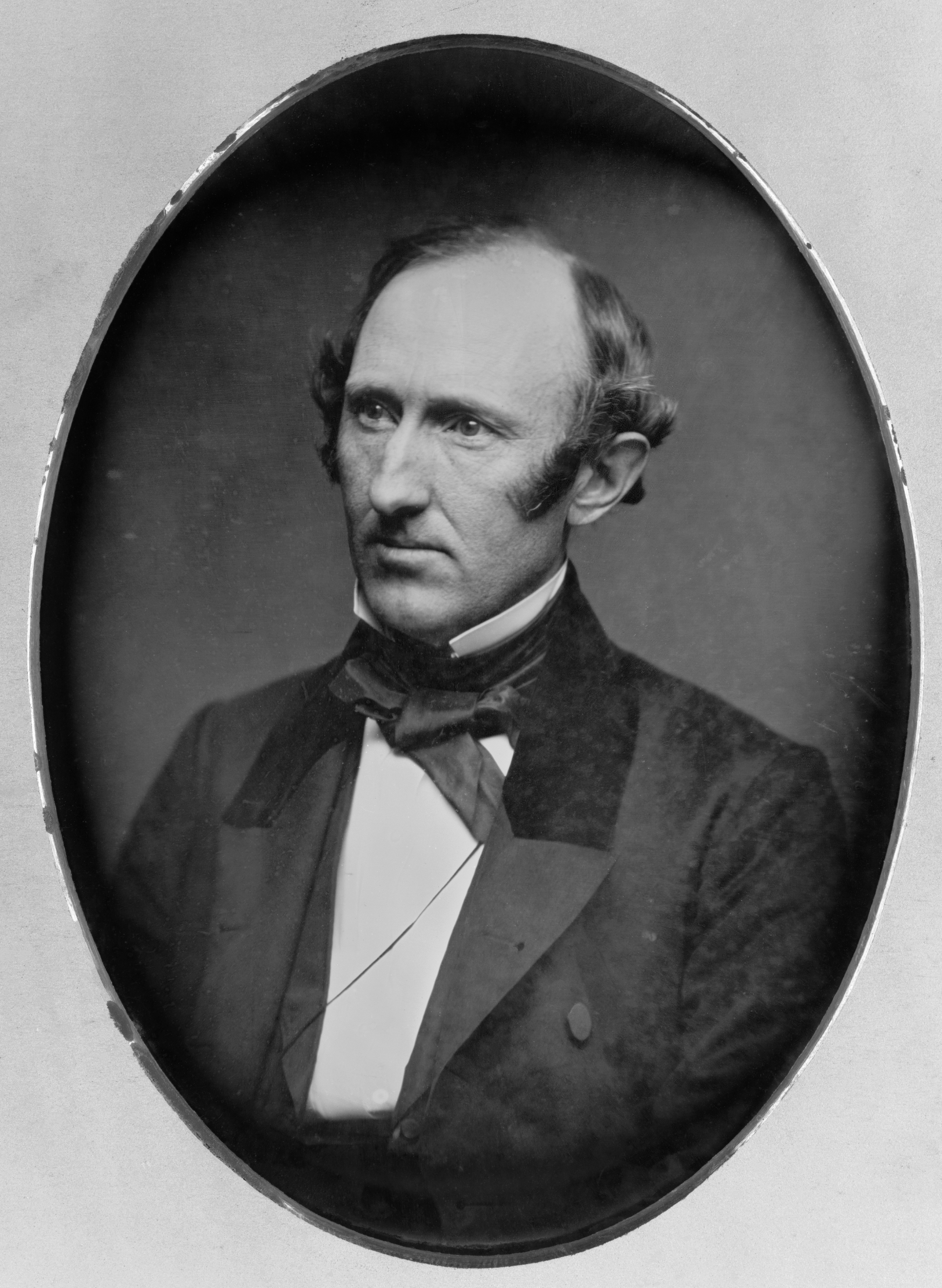
Wendell Phillips
U.S.A.
Social Media

Personal Background
Wendell Phillips graduated from Harvard College and Harvard Law School, establishing a strong educational foundation. He opened a law practice in Boston and became a prominent abolitionist after meeting Ann Terry Greene. Phillips gained recognition for his speech at Boston's Faneuil Hall and his involvement in the abolitionist movement, including attending the World Anti-Slavery Convention. He published influential works advocating for the immediate end of slavery and the secession of slave states. Phillips' leadership extended to supporting women's rights, including property rights, earnings, and suffrage.
Political Ideas
Wendell Phillips melds radical abolitionism with a deep commitment to women's rights, framing these issues through a lens of moral nationalism. His belief that the US Constitution inherently supports slavery leads him to advocate for the secession of slave states. Phillips's approach to nationalism prioritizes justice above all, as seen in his assertion that society's primary duty is justice. His legislative record reveals an unexpected convergence with opposing factions on environmental regulations, suggesting a highly calculated approach to protecting regional industrial interests.