Wendell Ford
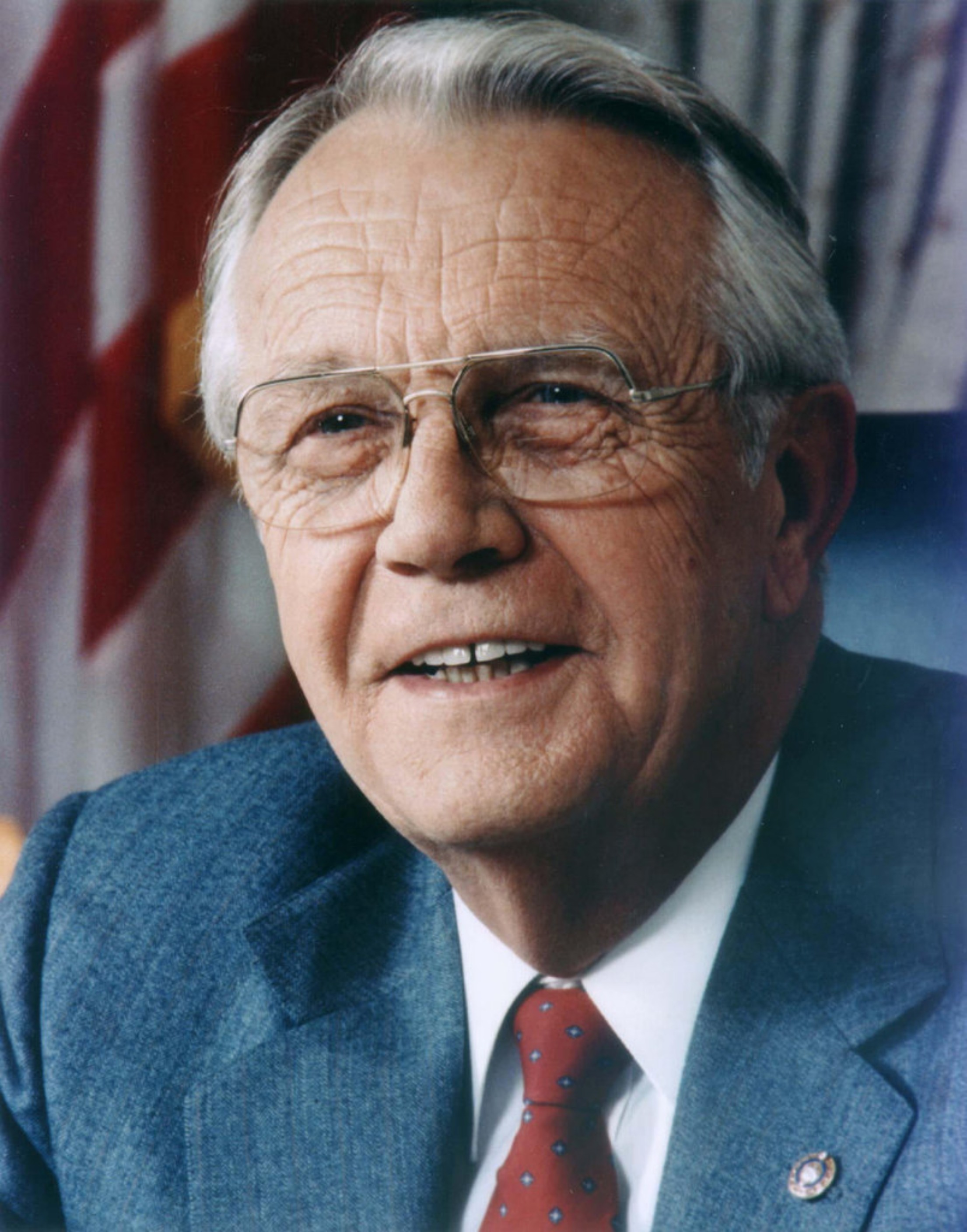
Wendell Ford
U.S.A.

Social Media

Personal Background
Wendell Ford's foundational background includes a strong educational foundation and extensive experience in both the private and public sectors. He graduated from Daviess County High School and attended the University of Kentucky before serving in World War II. After his military service, Ford pursued further education in insurance and worked in the family business. His leadership capabilities were evident early on, as he became the first Kentuckian to serve as president of the Junior Chamber International and later held various political roles, including state senator and lieutenant governor. Ford's career also involved significant contributions to infrastructure and youth engagement, teaching politics to young people and advocating for legislative changes.
Political Ideas
Wendell Ford's political identity is marked by a blend of fiscal conservatism and community-focused progressivism. He opposed a state sales tax increase in 1968, advocating for exemptions on essentials like food and medicine, which showcases a protective stance toward lower-income constituents. His support for infrastructure projects, evidenced by the renaming of major highways in his honor, reveals a commitment to enhancing regional connectivity and economic opportunities. Ford’s engagement with youth organizations and his dedication to teaching politics to young people highlight an enduring focus on civic education and youth empowerment.