Walter White
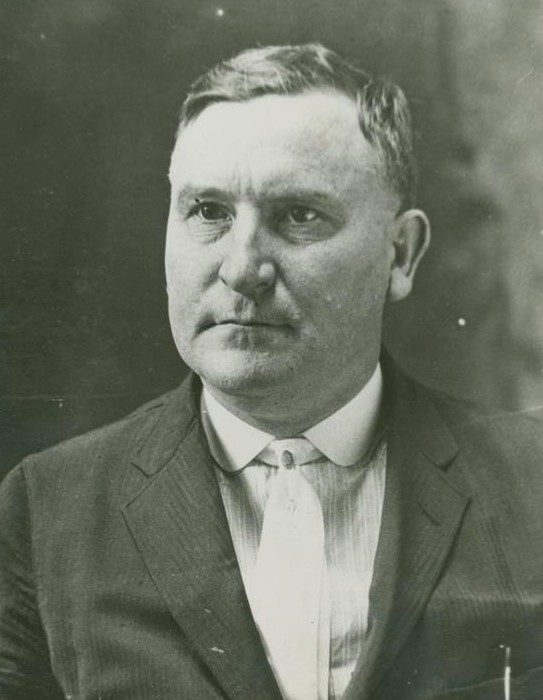
Walter White
U.S.A.

Social Media

Personal Background
Walter White held a principal position at Carp High School early in his career. He later transitioned into journalism, purchasing the Rhea County News while continuing to teach. White pursued a legal career, eventually being admitted to the bar and practicing law until his death. His professional journey involved significant shifts from education to journalism and finally to law, showcasing adaptability and a commitment to public service.
Political Ideas
Walter White's political philosophy is marked by an intriguing blend of progressive and conservative elements. He championed public accountability in the economy with early support for making campaign expenses transparent, yet also proposed substantial social welfare measures like a $30 monthly pension. His stance on criminal justice reveals a progressive streak, opposing the convict leasing system and advocating for severe penalties for kidnapping, yet he held staunch anti-evolution views. White's support for women's suffrage and broader voting rights, including lowering the voting age, contrasts with his support for prohibition, showcasing a complex ideological tapestry.