Walter Maddock
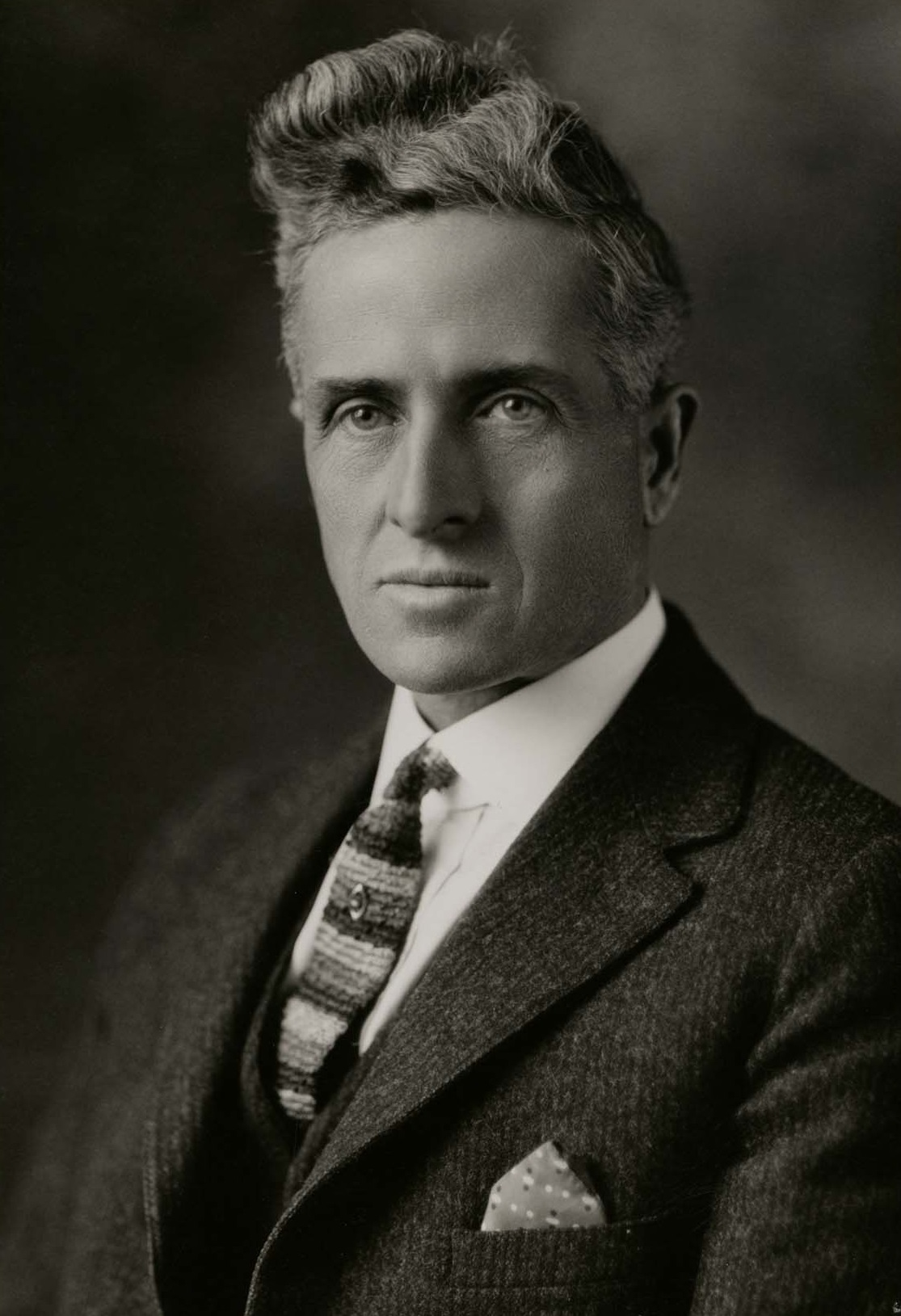
Walter Maddock
U.S.A.

Social Media

Personal Background
Walter Maddock, educated at Northwestern Business College, began his career in the North Dakota House of Representatives, where he served for eight years. He then became Lieutenant Governor and later assumed the governorship. After losing his re-election bid in 1928, he switched from the Republican to the Democratic party. Maddock held significant roles in agricultural administration, including a senior position with the Agricultural Adjustment Administration and leadership of North Dakota's Farm Security Administration office. Throughout his career, he was deeply involved in organizing farmers' cooperatives and supporting state-owned agricultural initiatives.
Political Ideas
Walter Maddock's political identity is defined by an intriguing blend of ideological agility and steadfast commitment to regional agricultural interests. His early Republican affiliation and subsequent switch to the Democratic Party in 1928 suggest a pragmatic recalibration of his policy priorities. Maddock's advocacy for state-owned industries, such as the Bank of North Dakota, and his active role in organizing farmers' cooperatives reveal a deeply localized approach to economic policy. This localized focus, combined with his leadership in federal agricultural programs, highlights a unique tension between state autonomy and federal intervention in Maddock's political philosophy.