Walter Evans
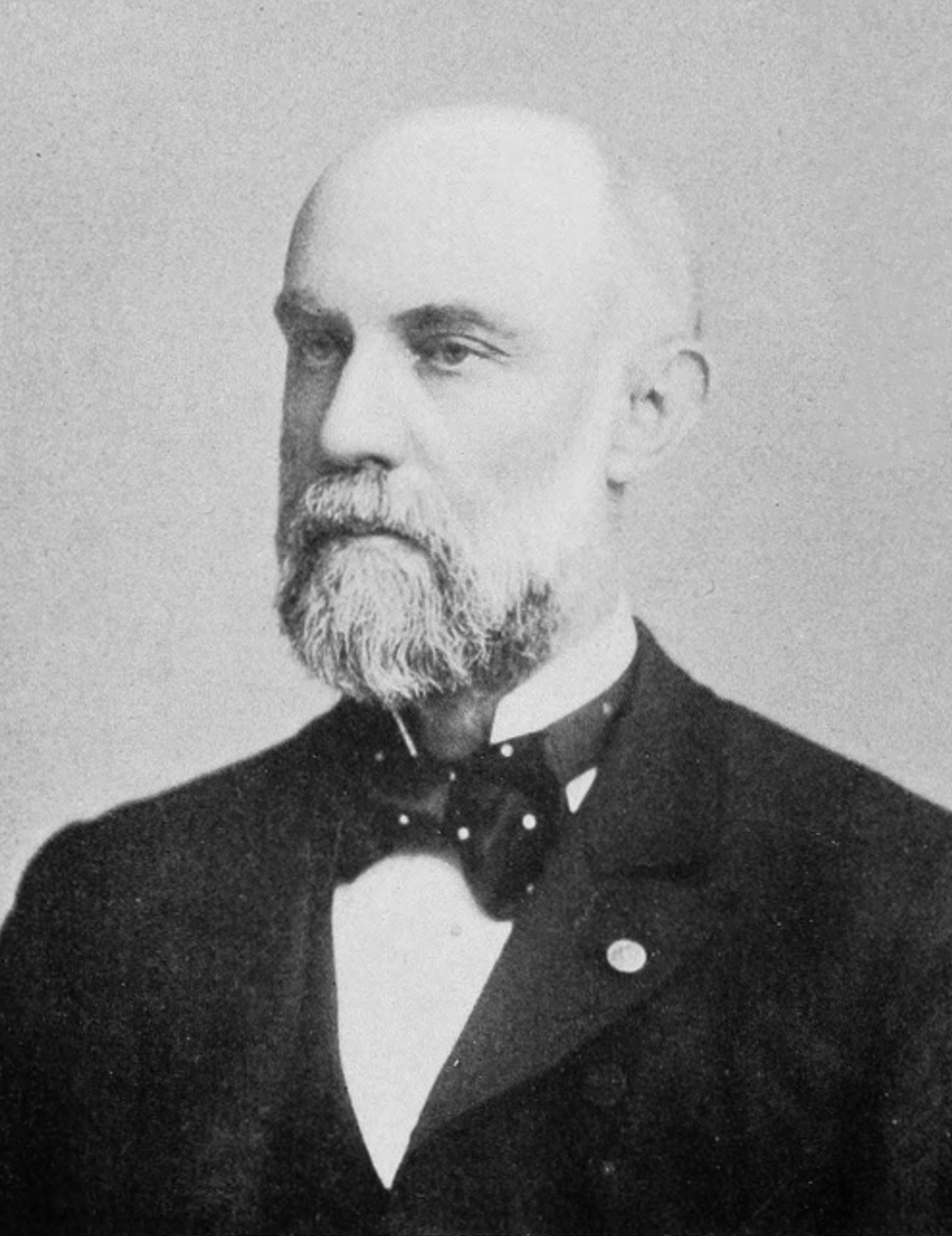
Walter Evans
U.S.A.

Social Media

Personal Background
Walter Evans began his career in public service as a deputy county clerk before serving in the Union Army. He later pursued a legal career, managing private practice and holding various positions in state government, including terms in the Kentucky House of Representatives and Senate. Evans transitioned to federal roles, serving as a Commissioner of the Bureau of Internal Revenue and later in the United States House of Representatives. He also held a significant judicial position, being nominated to the United States District Court for the District of Kentucky, where he made a notable legal impact by challenging an income tax case.
Political Ideas
Walter Evans's political career reveals a unique blend of fiscal conservatism and judicial activism, particularly highlighted by his successful challenge of an income tax in Evans v. Gore. His legislative history suggests a strategic alignment with regional economic interests, even when opposing broader party lines. Evans's rhetorical style seems to emphasize legal precedents and economic pragmatism, though his specific stances on economic and environmental policies remain underexplored. This juxtaposition of roles—from military service to judicial challenges—paints a picture of a politician who navigates complex ideological terrains with calculated precision.