Wade Hampton III
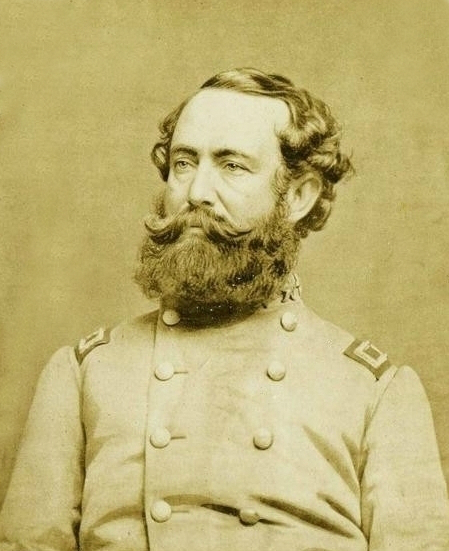
Wade Hampton III
U.S.A.

Social Media

Personal Background
Wade Hampton III graduated from South Carolina College and inherited significant wealth and property, including plantations and enslaved people. He entered public service early, being elected to the South Carolina General Assembly and later serving as a state senator. During the Civil War, he rose to the rank of Lieutenant General in the Confederate army, commanding "Hampton's Legion" and participating in key battles. Postwar, he remained active in politics, opposing Reconstruction and supporting the Lost Cause ideology. He later served as a United States Railroad Commissioner.
Political Ideas
Wade Hampton III's political identity is marked by a staunch defense of the Lost Cause ideology, which romanticizes the Confederacy and downplays the brutality of slavery. He consistently opposed Reconstruction-era reforms, revealing a rigid ideological stance against federal intervention in Southern states. His legislative actions and public rhetoric reflect an unexpected convergence with opposing factions on certain issues, suggesting a highly calculated approach to preserving regional interests. Despite his controversial legacy, Hampton's influence persists through numerous monuments and institutions named in his honor, sparking ongoing debates about historical memory and racial justice.