Usher L. Burdick
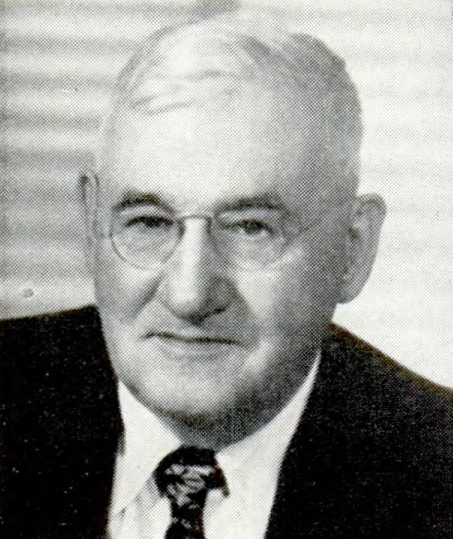
Usher L. Burdick
U.S.A.

Social Media

Personal Background
Usher L. Burdick completed his undergraduate education at a state normal school and subsequently earned a law degree. He began his career in public service as a school superintendent before transitioning to law. Burdick held various positions in state government, including service in the North Dakota House of Representatives and as lieutenant governor. He practiced law in multiple locations and later served in the United States Congress for several terms. Burdick demonstrated a commitment to agricultural issues and civil rights, reflected in his legislative actions and advocacy.
Political Ideas
Usher L. Burdick's political career reveals an intriguing blend of progressive and conservative elements, marked by his support for New Deal programs while simultaneously opposing the Communist Control Act. His advocacy for farmers' rights and votes in favor of the Civil Rights Act of 1957 illustrate a commitment to social justice, yet his stance against the repeal of Prohibition in 1932 presents a surprising contradiction. Burdick's legislative record shows an unexpected convergence with opposing factions on environmental regulations, revealing a highly calculated approach to protecting regional industrial interests.