Urban A. Woodbury
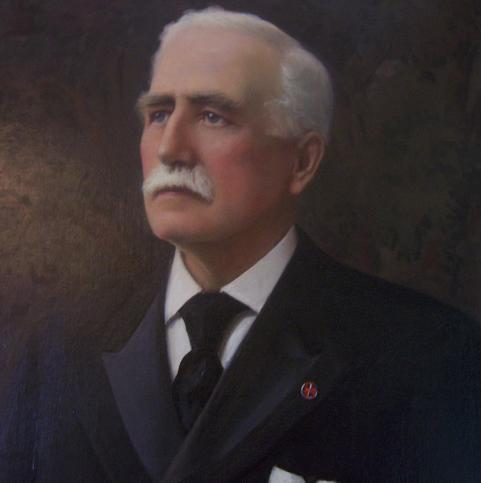
Urban A. Woodbury
U.S.A.

Social Media

Personal Background
Urban A. Woodbury graduated from the University of Vermont's medical department in 1859 and later served in the Union Army during the Civil War, where he was injured and subsequently discharged. Post-military, he engaged in various business ventures, including managing lumber and hotel operations, and held leadership roles in multiple companies. Woodbury transitioned into politics, serving as an alderman, mayor, lieutenant governor, and governor of Vermont, during which he enacted significant reforms in education, library management, and pharmacy regulation. He also held various civic and fraternal memberships and hosted U.S. Presidents in his capacity as a prominent local figure.
Political Ideas
Urban A. Woodbury's political identity is marked by a blend of progressive educational reforms and conservative bureaucratic control. Woodbury's legislative efforts to provide free textbooks for public schools contrast with his push to empower the governor to appoint a Board of Library Commissioners, revealing a nuanced approach to public service. His military background and civic engagements suggest a deeply rooted commitment to regional stability and community leadership, yet his policy stances hint at a calculated balancing act between progressive ideals and traditional authority. Woodbury's ability to navigate these conceptual tensions makes his political philosophy both intriguing and worthy of deeper exploration.