Titus Hutchinson
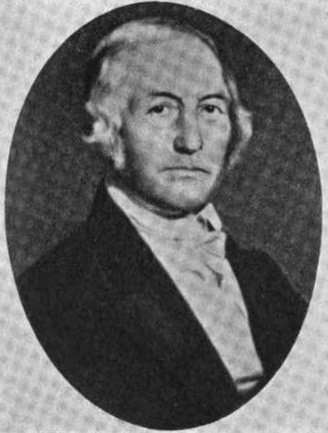
Titus Hutchinson
U.S.A.
Social Media

Personal Background
Titus Hutchinson began his career in law after studying at Princeton and under his lawyer brother Aaron. He held multiple roles in the public sector, including serving as State's Attorney for Windsor County and United States Attorney for Vermont. Hutchinson transitioned to the judiciary, becoming an associate justice and later Chief Justice of the Vermont Supreme Court. Despite his judicial career, he was likely removed from the court due to his political affiliations. Hutchinson was also active in anti-slavery efforts and was involved with the Underground Railroad.
Political Ideas
Titus Hutchinson's political identity is marked by a blend of principled anti-slavery advocacy and ideological flexibility, as seen in his involvement with both the Anti-Masonic Party and the Liberty Party. His judicial career, culminating in his role as Chief Justice of the Vermont Supreme Court, hints at a sophisticated approach to law and governance, though his removal suggests tensions with prevailing political forces. Hutchinson's commitment to the Underground Railroad reveals a radical streak in his otherwise conservative legal career, showcasing a complex interplay between his personal convictions and public roles.