Thomas Watkins Ligon
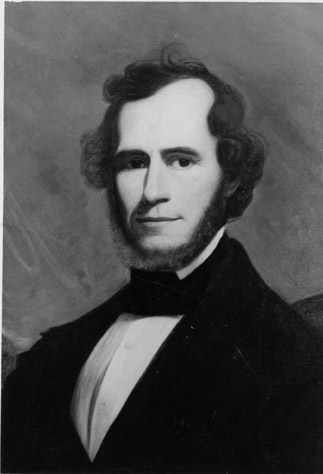
Thomas Watkins Ligon
U.S.A.

Social Media

Personal Background
Thomas Watkins Ligon completed his foundational education at Hampden–Sydney College and the University of Virginia before earning his law degree from Yale Law School. He practiced law in Baltimore for two decades, gaining substantial experience in the legal field. Ligon transitioned into politics, serving in the Maryland House of Delegates and later in the U.S. Congress. He was elected Governor of Maryland, where he focused on educational reforms and agricultural improvements. Throughout his career, Ligon demonstrated leadership in navigating political conflicts, including the Know-Nothing Riot of 1856.
Political Ideas
Thomas Watkins Ligon's political career reveals a calculated approach to regional interests, as seen in his unexpected alignment with opposing factions on environmental regulations. His advocacy for common schools and an agricultural college showcases a forward-thinking stance on education and agriculture. Ligon's handling of the Know-Nothing Riot of 1856 indicates a nuanced strategy in dealing with political conflict, balancing stability with progressive reforms. His legislative initiatives suggest an ideologically agile politician, adept at navigating complex regional dynamics.