Thomas Walker Gilmer
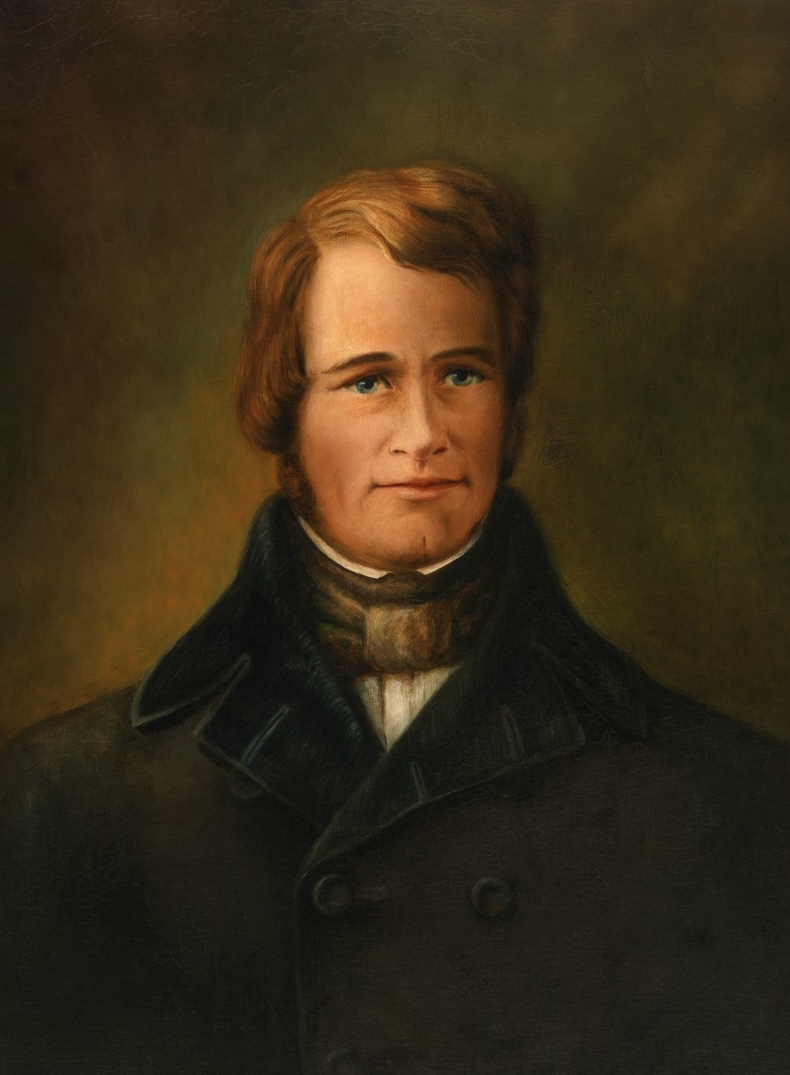
Thomas Walker Gilmer
U.S.A.

Social Media

Personal Background
Thomas Walker Gilmer was educated by private tutors and his uncle, and studied law in Virginia. He practiced law and briefly edited a local newspaper before entering politics. Gilmer served in the Virginia House of Delegates and later became the governor of Virginia. He transitioned to national politics, serving in the U.S. Congress as a Whig and then a Democrat. Gilmer's career culminated in his appointment as Secretary of the Navy, where he died in office.
Political Ideas
Thomas Walker Gilmer's political career is marked by a blend of ideological fluidity and calculated regional advocacy. His shift from Whig to Democrat in Congress suggests a highly localized approach to national issues, possibly driven by his constituents' interests. Gilmer's stance on slavery, particularly his disagreement with the Virginia General Assembly over the extradition of slave stealers, indicates a nuanced and perhaps pragmatic consideration of regional economic and social dynamics. His decision to purchase and then allow a former slave to buy his own freedom adds another layer to his complex relationship with slavery. These elements reveal a politician who navigates ideological waters with a keen awareness of local and national repercussions.