Thomas Van Lear
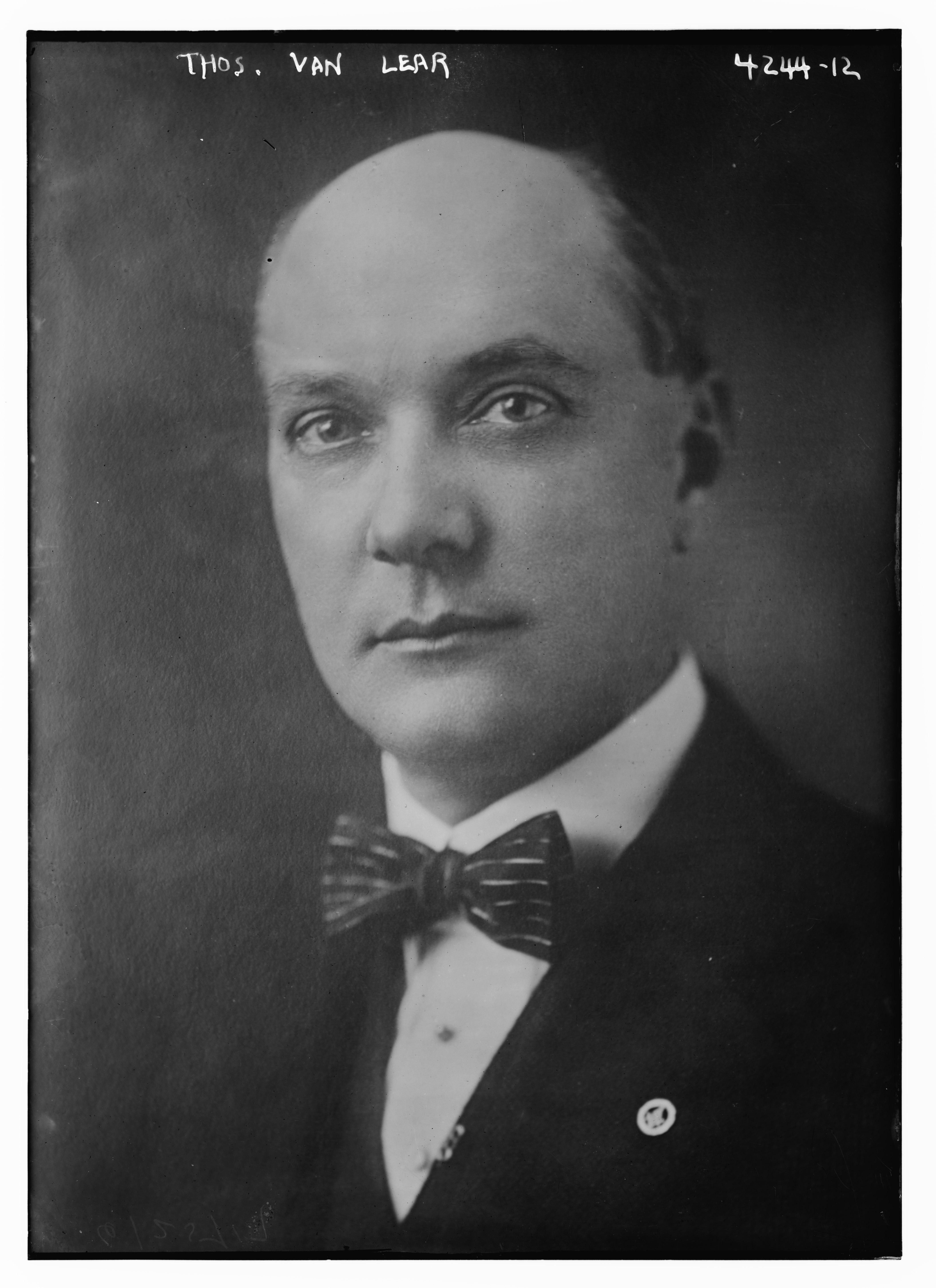
Thomas Van Lear
U.S.A.

Social Media

Personal Background
Thomas Van Lear began his career in physically demanding labor, working in coal mines and later as a machinist. He developed a commitment to workers' rights early on, joining the Knights of Labor and later the Socialist Party of America. His military service in the Spanish–American War further shaped his dedication to public service. Post-war, Van Lear relocated to Minneapolis, where he became active in trade and union groups, including the International Association of Machinists. His political career included multiple unsuccessful bids for public office before his election as mayor of Minneapolis in 1916.
Political Ideas
Thomas Van Lear's political identity is shaped by a blend of socialist principles and pragmatic localism, advocating for municipal control over public transportation, utilities, and food markets. His ideological stance is further complicated by an unusual alliance with progressive Democrats, which challenges the conventional left-right divide. Van Lear's rhetorical style often emphasizes the protection of workers' rights and regional industrial interests, suggesting a deeply calculated approach to policy-making. His unexpected convergence with opposing factions on certain issues hints at a nuanced strategy to navigate complex political landscapes.