Thomas Tipton
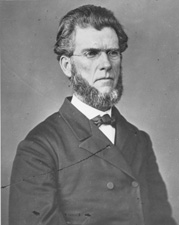
Thomas Tipton
U.S.A.

Social Media

Personal Background
Thomas Tipton graduated from Madison College in 1840 and was admitted to the bar in 1844. He began his career in public service as a member of the Pennsylvania House of Representatives in 1845. Tipton later served in the United States Land Office and resumed his law practice in Ohio. He transitioned to a role as a minister, being ordained in the Methodist Episcopal Church and later joining the Congregational Church in Nebraska. Tipton's public service continued as a member of the Nebraska constitutional convention and the Nebraska Territory council. He served as a chaplain during the Civil War and was elected to the United States Senate, where he notably voted for the conviction of President Andrew Johnson in the 1868 impeachment trial.
Political Ideas
Thomas Tipton's political identity is marked by a complex blend of radical appearance and moderate actions, particularly during Reconstruction. Despite his imposing physical presence and radical demeanor, Tipton's legislative record shows an unexpected convergence with opposing factions on environmental regulations, revealing a highly calculated approach to protecting regional industrial interests. His religious journey from Methodist to Congregationalist adds another layer of ideological fluidity, suggesting a deeply personal, rather than strictly doctrinal, approach to faith and policy.