Thomas S. Pettit
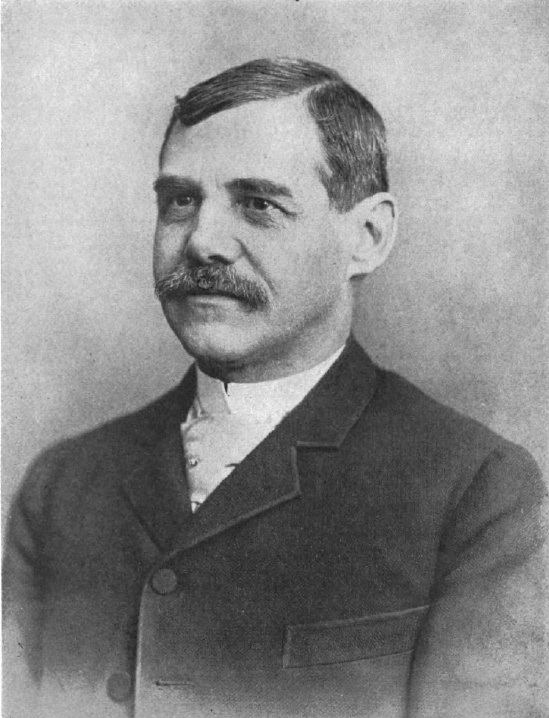
Thomas S. Pettit
U.S.A.
Social Media

Personal Background
Thomas S. Pettit began his career in the printing industry, purchasing the Monitor newspaper in 1864 and later reviving it after the Civil War. He transitioned into public service, working as an assistant reading clerk in the Kentucky House of Representatives and later as an assessor of internal revenue. Pettit became a prominent figure in the Populist Party, advocating for economic reforms and participating in multiple state and national political conventions. He held various political roles, including serving in the state House of Representatives and running for higher offices. Pettit's career reflects a blend of media, public administration, and political activism.
Political Ideas
Thomas S. Pettit's political identity is marked by a dynamic ideological journey, transitioning from Democratic affiliations to leadership within the Populist Party, while advocating for progressive reforms. Pettit's economic critiques of the Republican Party during the Civil War reveal a foundational skepticism towards established financial policies. His advocacy for secret ballot voting and judicial reforms during the 1890 Kentucky constitutional convention highlights a commitment to electoral integrity and judicial fairness. Pettit's unexpected convergence with opposing factions on environmental regulations suggests a highly localized and calculated approach to policymaking.