Thomas Pratt
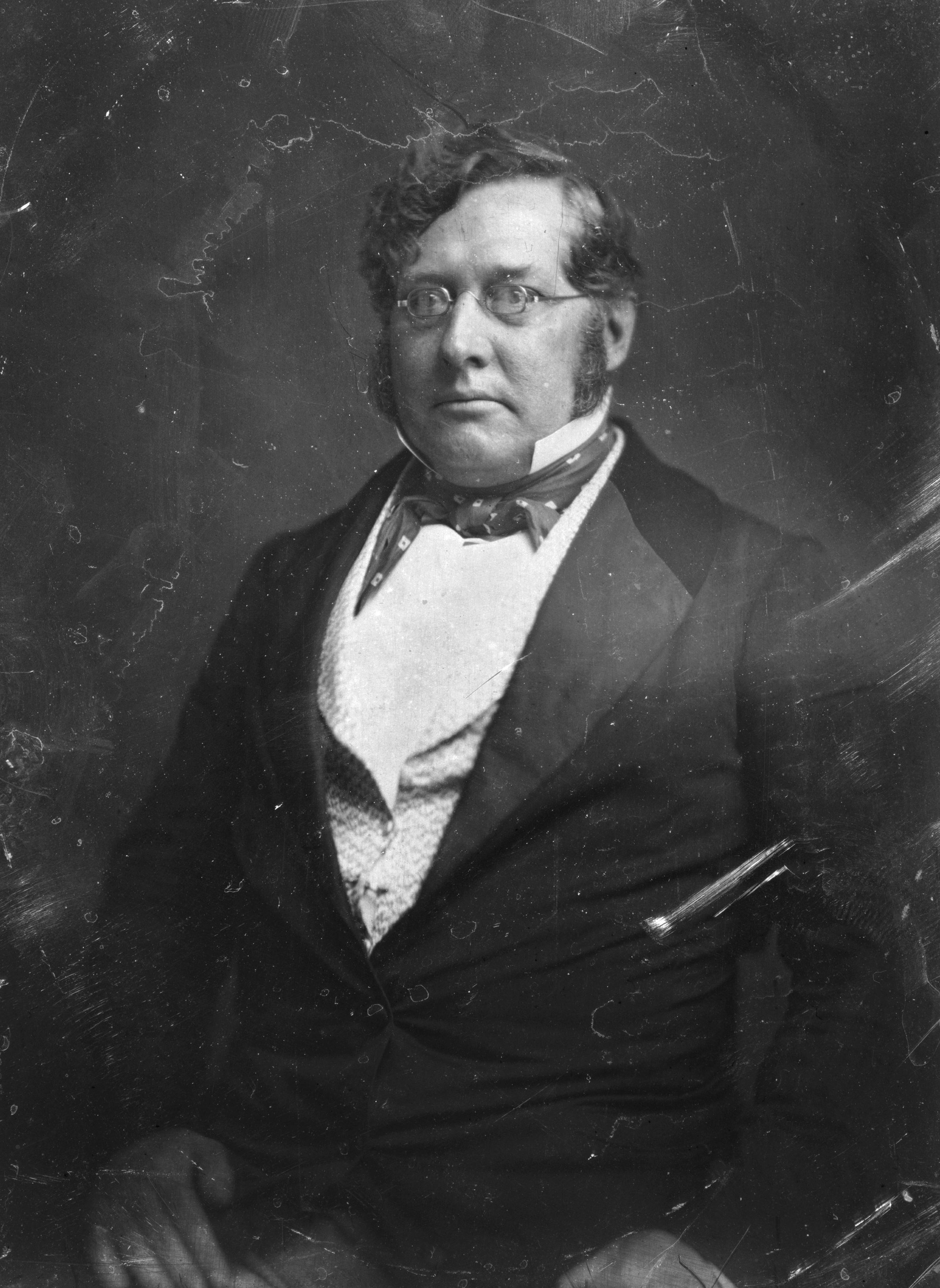
Thomas Pratt
U.S.A.

Social Media

Personal Background
Thomas Pratt, a Maryland native, practiced law following his admission to the bar in 1823. He built a political career that included service in the Maryland House of Delegates and the Maryland State Senate. Pratt was elected Governor of Maryland in 1844, focusing on resolving the state debt and advocating for infrastructure projects like the Baltimore and Ohio Railroad. He later served as a U.S. Senator, where he remained pro-slavery and pro-South during the American Civil War. Despite his arrest for refusing to take a loyalty oath, Pratt resumed practicing law in Baltimore post-war.
Political Ideas
Thomas Pratt's political identity is marked by a calculated approach to regional economic interests, particularly in advocating for direct taxes to resolve state debt and supporting the Baltimore and Ohio Railroad over canal systems. His ideological journey from the Whig party to staunch support for the Democratic Party and pro-slavery stances reveals a deeply rooted commitment to Southern interests. Pratt's legislative record shows an unexpected convergence with opposing factions on environmental regulations, revealing a highly calculated approach to protecting regional industrial interests. His unwavering loyalty to the Confederacy, even in the face of personal risk, underscores a rigid ideological stance that prioritized regional allegiance over national unity.