Thomas Pinckney
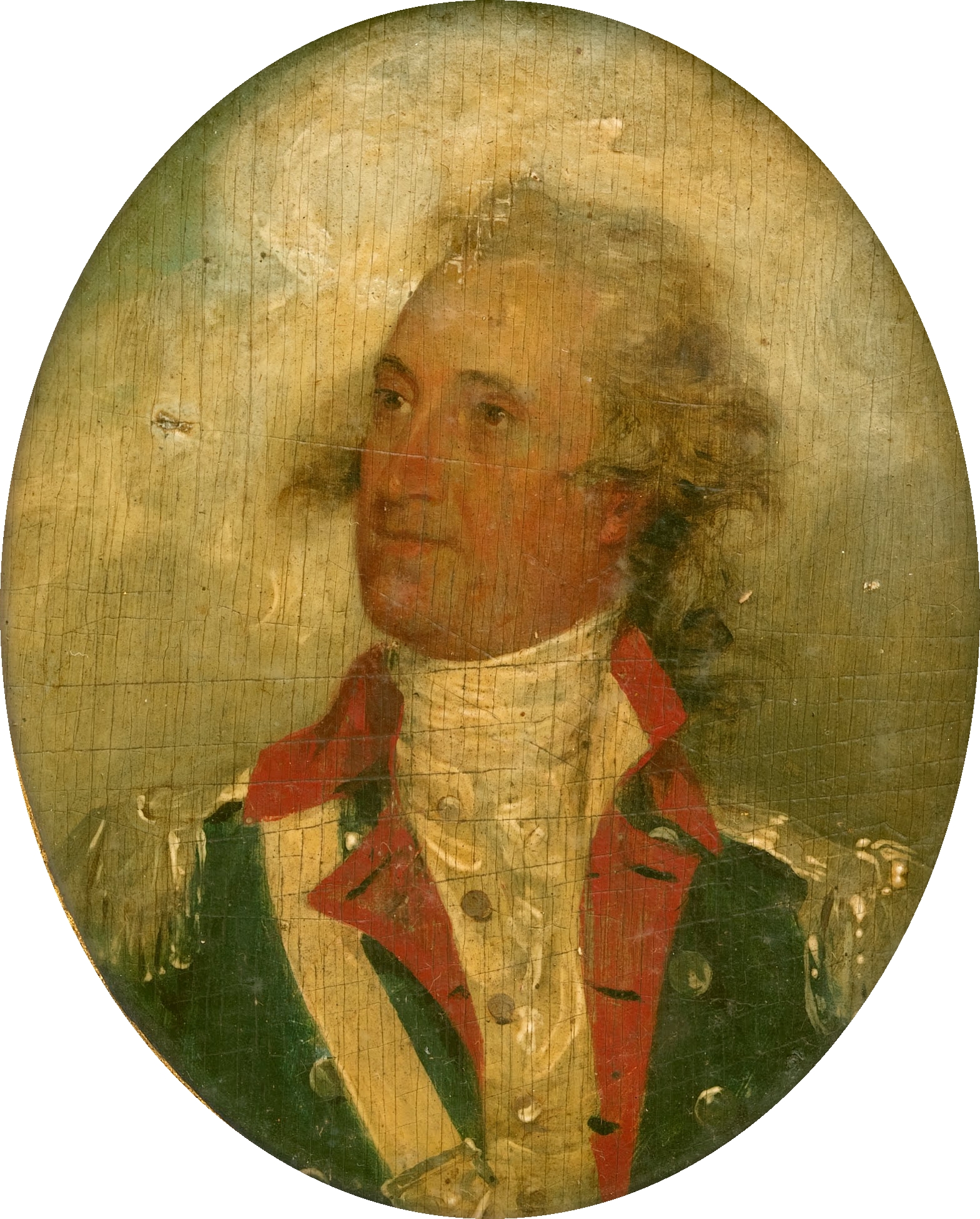
Thomas Pinckney
U.S.A.

Social Media

Personal Background
Thomas Pinckney was born into a prominent family in the Province of South Carolina, with a father who held a significant colonial office and a mother who introduced indigo cultivation to the colony. He received an extensive education in Great Britain, which was complemented by his legal career and military service in the Continental Army. Pinckney's professional journey included roles as a governor, state representative, and ambassador, where he negotiated key treaties, such as the Treaty of San Lorenzo with Spain. His foundational skill sets in diplomacy and governance were bolstered by his involvement in plantation development. Pinckney's background and experiences positioned him as a candidate with a strong understanding of both domestic and international affairs.
Political Ideas
Thomas Pinckney's political identity is marked by a blend of Southern pragmatism and a knack for navigating complex international diplomacy. His support for the U.S. Constitution indicates a foundational belief in a robust federal structure, yet his efforts to resolve disputes with Britain and Spain reveal a diplomatic approach that transcends partisan divides. Pinckney's negotiation of the Treaty of San Lorenzo exemplifies a strategic focus on securing economic advantages through international agreements, showcasing an unexpected convergence with opposing factions on environmental regulations. This calculated approach to protecting regional industrial interests raises questions about the underlying motivations and long-term implications of his policy decisions.