Thomas Mitchell Campbell
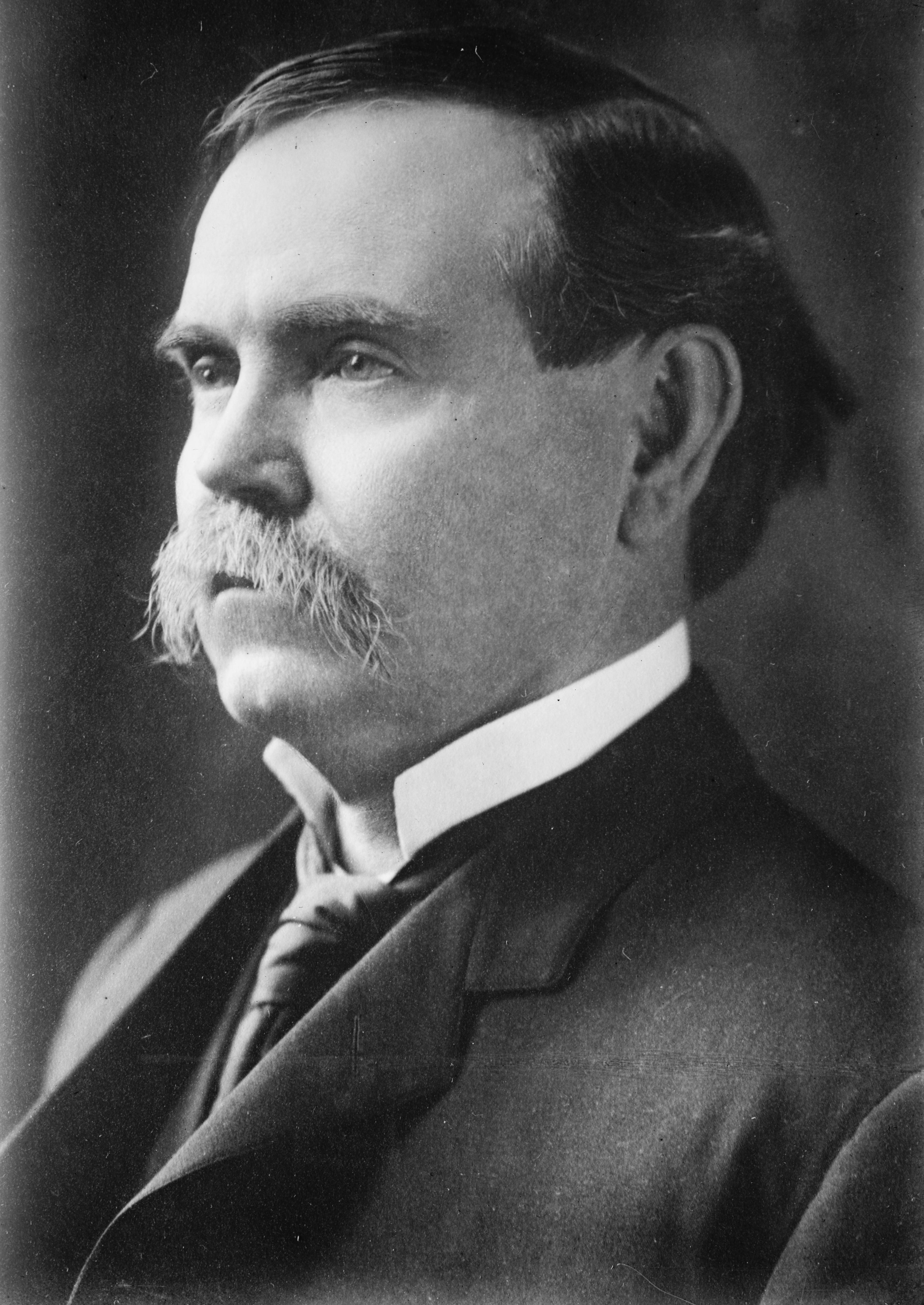
Thomas Mitchell Campbell
U.S.A.

Social Media

Personal Background
Thomas Mitchell Campbell graduated from Trinity University and was admitted to the Texas bar in 1878. He practiced law and worked with the International-Great Northern Railroad, eventually becoming its general manager after rescuing it from bankruptcy. Campbell transitioned from the private sector to public service, influenced by former Texas governor James Stephen Hogg. He was elected governor in 1906, during which he implemented significant labor, prison, and civil rights reforms, as well as established several state agencies. Despite an unsuccessful run for the United States Senate, Campbell remained active in Democratic politics until his death.
Political Ideas
Thomas Mitchell Campbell's political identity is marked by an intriguing blend of progressive labor reforms and a cautious approach to racial violence, revealing a deeply strategic balancing act. His distrust of monopolistic big business and sympathy for trade unions led to significant labor reforms, yet his response to the Slocum massacre highlights a calculated approach to racial tensions. Campbell's establishment of multiple state agencies suggests a forward-thinking yet pragmatically localized vision for governance. His ideological agility is evident in the unexpected convergence of progressive labor policies with a restrained response to racial violence, prompting deeper inquiry into his motivations and strategic priorities.