Thomas Mann Randolph Jr.
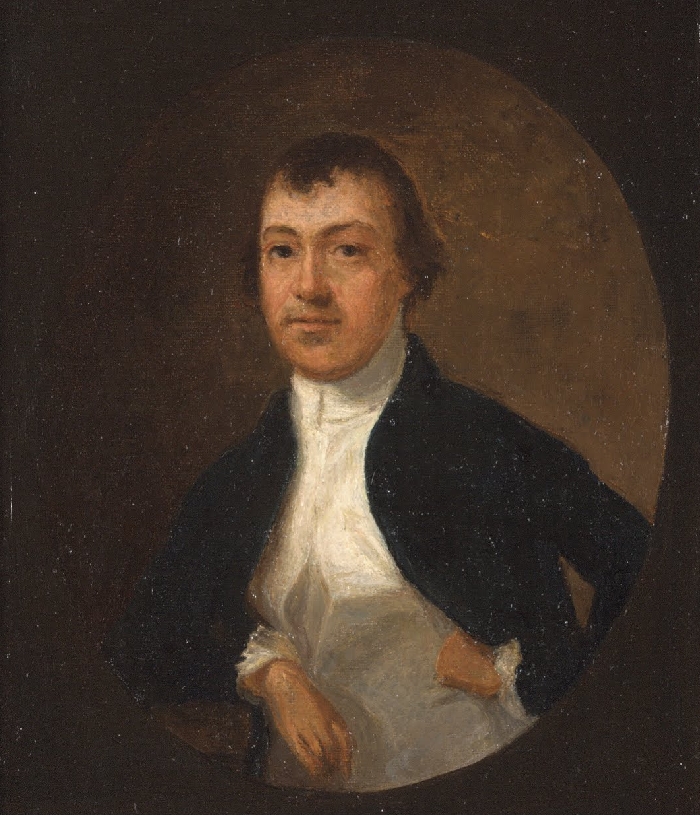
Thomas Mann Randolph Jr.
U.S.A.

Social Media

Personal Background
Thomas Mann Randolph Jr. exhibited foundational experience in managing complex operations, particularly in a high-stress environment. He oversaw a nailery at Monticello, where he navigated the challenges of maintaining production standards and discipline among workers. Randolph's tenure involved significant decisions regarding the treatment and management of enslaved workers, reflecting his ability to handle contentious issues. His later estrangement from family affairs suggests a capacity to adapt to substantial personal and professional transitions.
Political Ideas
Thomas Mann Randolph Jr.'s political identity is marked by a complex relationship with slavery, balancing personal opposition with the practical realities of plantation management. His approach to enslaved labor at Monticello reveals a tension between moral discomfort and operational necessity, as seen in his reliance on overseers to maintain discipline, despite his personal opposition to corporal punishment. This juxtaposition raises questions about how he reconciles his ideological stance with the economic imperatives of his estate. Furthermore, his handling of family separations among enslaved workers hints at a nuanced, if not contradictory, approach to human rights within the confines of his social and economic environment.