Thomas Ewing Jr.
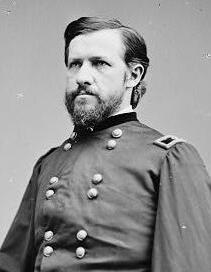
Thomas Ewing Jr.
U.S.A.

Social Media

Personal Background
Thomas Ewing Jr. holds a distinguished background in law and public service, beginning with his education at Brown University and Cincinnati Law School. He served as a private secretary to President Zachary Taylor and practiced law in Cincinnati before relocating to Kansas. Ewing played a pivotal role in Kansas's admission to the Union as a free state and served as the first chief justice of Kansas. During the Civil War, he commanded the 11th Kansas Infantry and later became a brigadier general, known for his controversial General Order № 11. Post-war, he represented conspirators in the Lincoln assassination trials and advocated for southern interests in Washington, D.C. Ewing's career also included significant investments in railroads and telegraph companies and participation in state constitutional conventions.
Political Ideas
Thomas Ewing Jr.'s political identity is marked by an intriguing blend of moderate stances and calculated advocacy. His moderate position on slavery, evident in his efforts to prevent the Lecompton Constitution, contrasts with his later advocacy for southern interests post-Civil War. Ewing's military leadership, including the controversial General Order № 11, shows a willingness to take drastic measures for regional defense, revealing a highly localized approach to civil defense. His legal career, particularly in representing conspirators in the Lincoln assassination trials, adds another layer of complexity to his ideological positioning.