Thomas Chittenden
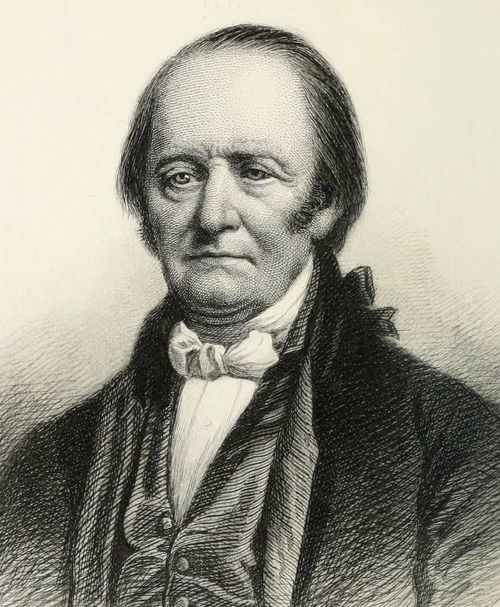
Thomas Chittenden
U.S.A.

Social Media

Personal Background
Thomas Chittenden began his career in public service as a justice of the peace and member of the Connecticut Colonial Assembly. He later served in the Connecticut militia, reaching the rank of colonel. Moving to the New Hampshire Grants, Chittenden became a pioneer in what is now Vermont, where he played a pivotal role in drafting Vermont's constitution and Declaration of Independence. He was elected governor of the Vermont Republic and led the state through its independence and eventual admission to the United States as the 14th state. His leadership and negotiation skills were demonstrated in his dealings with both the Continental Congress and British authorities.
Political Ideas
Thomas Chittenden's political identity is marked by a strategic blend of independence and pragmatism, navigating delicate negotiations between the Continental Congress and British authorities. His ideological positioning is unique in its calculated approach to regional interests, as seen in his balancing act between securing Vermont's economic stability and its eventual entry into the Union. Chittenden's rhetorical style is one of calculated diplomacy, often framing issues in terms of long-term regional benefits rather than immediate political gain. His surprising policy stances, such as considering Vermont's affiliation with Britain, reveal an unexpected flexibility in his ideological commitments.