Thomas Carney
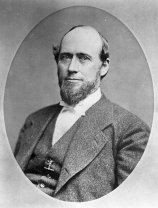
Thomas Carney
U.S.A.

Social Media

Personal Background
Thomas Carney began his career in mercantile businesses, eventually establishing a successful wholesale business in Leavenworth, Kansas. He pursued higher education before entering public service, where he was elected to the state legislature and subsequently served as Governor of Kansas, focusing on state development and Civil War issues. Carney also held the office of Mayor of Leavenworth and founded the First National Bank of Leavenworth, alongside serving as Director of the Lawrence and Fort Gibson Railroad Company. His career included a notable transition from private enterprise to public service roles, punctuated by a controversial decision to withdraw from a US Senate race in exchange for compensation.
Political Ideas
Thomas Carney's political identity is marked by a blend of entrepreneurial acumen and strategic political maneuvering. His career juxtaposes a successful business career with significant political roles, yet his decision to accept a payment to withdraw from a Senate race reveals a calculated approach to political influence. Carney's economic policies during his governorship reflect a focus on state development, while his financial ventures suggest a pragmatic yet ethically flexible stance. This combination of business savvy and political pragmatism invites further inquiry into how Carney balanced personal gain with public service.