Thomas Burke
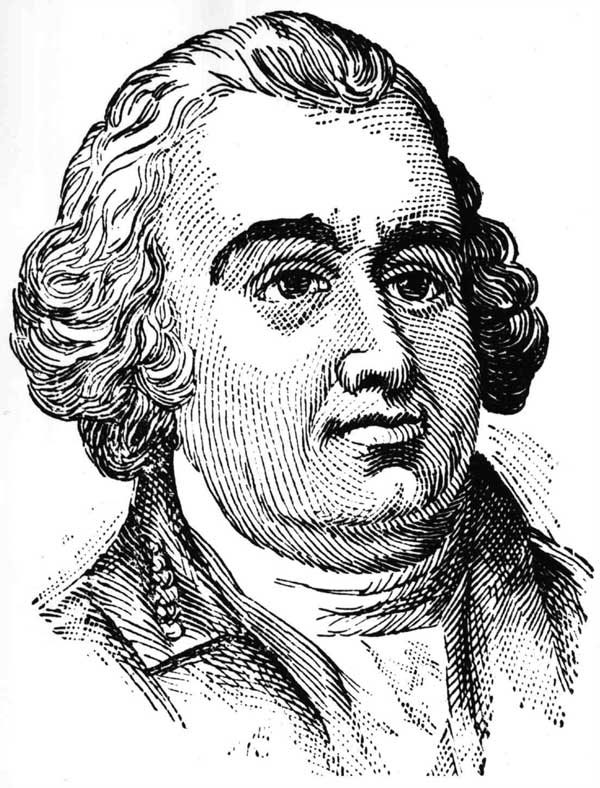
Thomas Burke
U.S.A.

Social Media

Personal Background
Thomas Burke practiced medicine and studied law in Virginia before relocating to North Carolina. He participated in the provincial congress and was chosen as a delegate to the Second Continental Congress, arriving in Philadelphia in 1777. Burke later served as governor of North Carolina, during which he was captured and imprisoned by the British but managed to escape. His career highlights include a transition from private practice to public service and leadership in governance during the American Revolution.
Political Ideas
Thomas Burke's political philosophy reveals a dynamic blend of ideological flexibility and steadfast commitment to revolutionary ideals. He initially championed states' rights but later adjusted his stance, indicating a pragmatic yet principled approach. His support for the militia underscores a localized defense strategy, while his writings against the Stamp Act highlight a deep-seated resistance to centralized authority. This combination of localized defense advocacy and anti-centralization rhetoric presents an intriguing tension in his political identity.