Thomas Brown
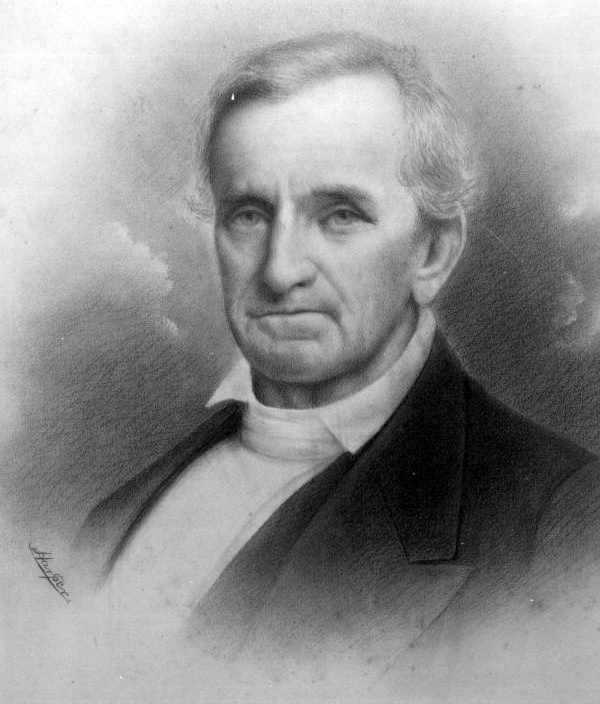
Thomas Brown
U.S.A.

Social Media

Personal Background
Thomas Brown began his career in public service as a chief clerk of the post office at Richmond, where he invented the post office letter box. He later moved to the Florida Territory, where he held various positions including auditor and Grand Secretary of the Grand Lodge of the State of Florida. Brown served as President of the legislative council and a member of the constitutional convention, eventually becoming a member of Florida's first House of Representatives after statehood. He spent four years as Governor, during which he signed a bill providing public support to higher education and encouraged settlement in the Lake Okeechobee area. Brown also made efforts to determine the feasibility of draining the Everglades. Throughout his career, he maintained an active role in Masonry and operated a successful business, building Brown's Inn in Tallahassee.
Political Ideas
Thomas Brown's political philosophy reveals a blend of regional pragmatism and visionary environmentalism. His support for higher education funding contrasts with his efforts to drain the Everglades, showcasing a calculated approach to regional development. Brown's advocacy for transportation improvements underscores a forward-thinking strategy for economic growth, while his encouragement of settlement in the Lake Okeechobee area highlights a commitment to agricultural expansion. His active involvement in Masonry and business ventures adds layers to his multifaceted identity, suggesting a deeply rooted local influence in his policy decisions.