Thomas Bennett Jr.
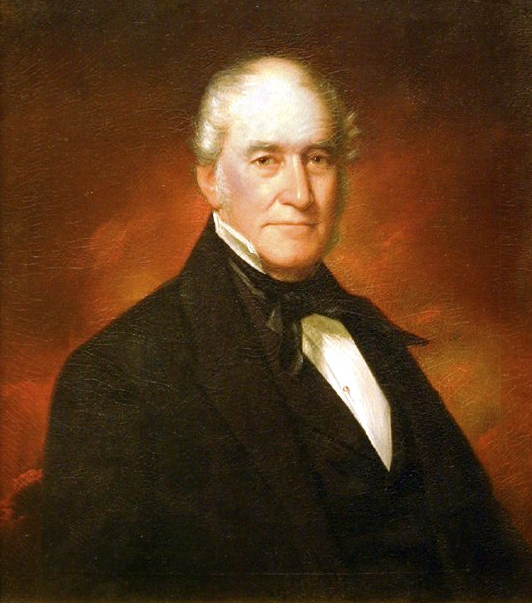
Thomas Bennett Jr.
U.S.A.

Social Media

Personal Background
Thomas Bennett Jr. established a multifaceted career rooted in finance, architecture, and public service. He began his professional journey in the lumber and rice milling industry, partnering with his father. Subsequently, he managed significant financial institutions, including the Planters and Merchant Bank of South Carolina and the Bank of the State of South Carolina. His educational foundation was laid at the College of Charleston, and his familial ties included a brother-in-law who served as a Supreme Court Associate Justice. Bennett Jr. transitioned from the private sector to public service, holding various local and state positions, including the governorship of South Carolina, where he notably denounced the interstate domestic slave trade. Later in his career, he returned to the state legislature, serving as a senator and maintaining a Unionist stance.
Political Ideas
Thomas Bennett Jr. presents a fascinating ideological juxtaposition, denouncing the interstate slave trade while managing banks tied to the Southern economy. His tenure as governor saw a notable stand against the domestic slave trade, contrasting with the broader regional economic interests. Bennett's Unionist stance during his later political years further complicates his legacy, hinting at a nuanced approach to national loyalty amidst regional economic dependencies. This convergence of positions reveals a highly calculated strategy, balancing moral stances with economic pragmatism.