Thomas B. Stanley
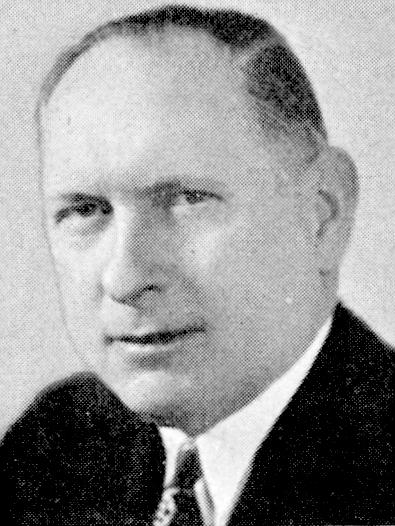
Thomas B. Stanley
U.S.A.

Social Media

Personal Background
Thomas B. Stanley graduated from Eastman Business College in 1912 and began his career in the furniture industry, working his way up to an executive role at Bassett Furniture. He founded Stanley Furniture with his sons, demonstrating entrepreneurial acumen. Stanley transitioned into politics, serving in the Virginia House of Delegates and later in the U.S. House of Representatives. He was elected governor of Virginia, where he focused on state hospital administration and education funding, while also supporting policies that preserved segregation. Post-gubernatorial term, he returned to business leadership roles, including overseeing his furniture company and serving in financial sectors.
Political Ideas
Thomas B. Stanley's political career is marked by a staunch defense of segregation and a commitment to local business interests, particularly in the furniture industry. His support for the Stanley Plan, including a controversial voucher program aimed at maintaining segregation, reveals an ideological rigidity that clashes with evolving civil rights norms. Despite his segregationist stance, Stanley's efforts to enhance state hospitals and public education funding suggest a complex, localized approach to governance that prioritizes regional economic stability over broader social reforms.