Theodore Frelinghuysen
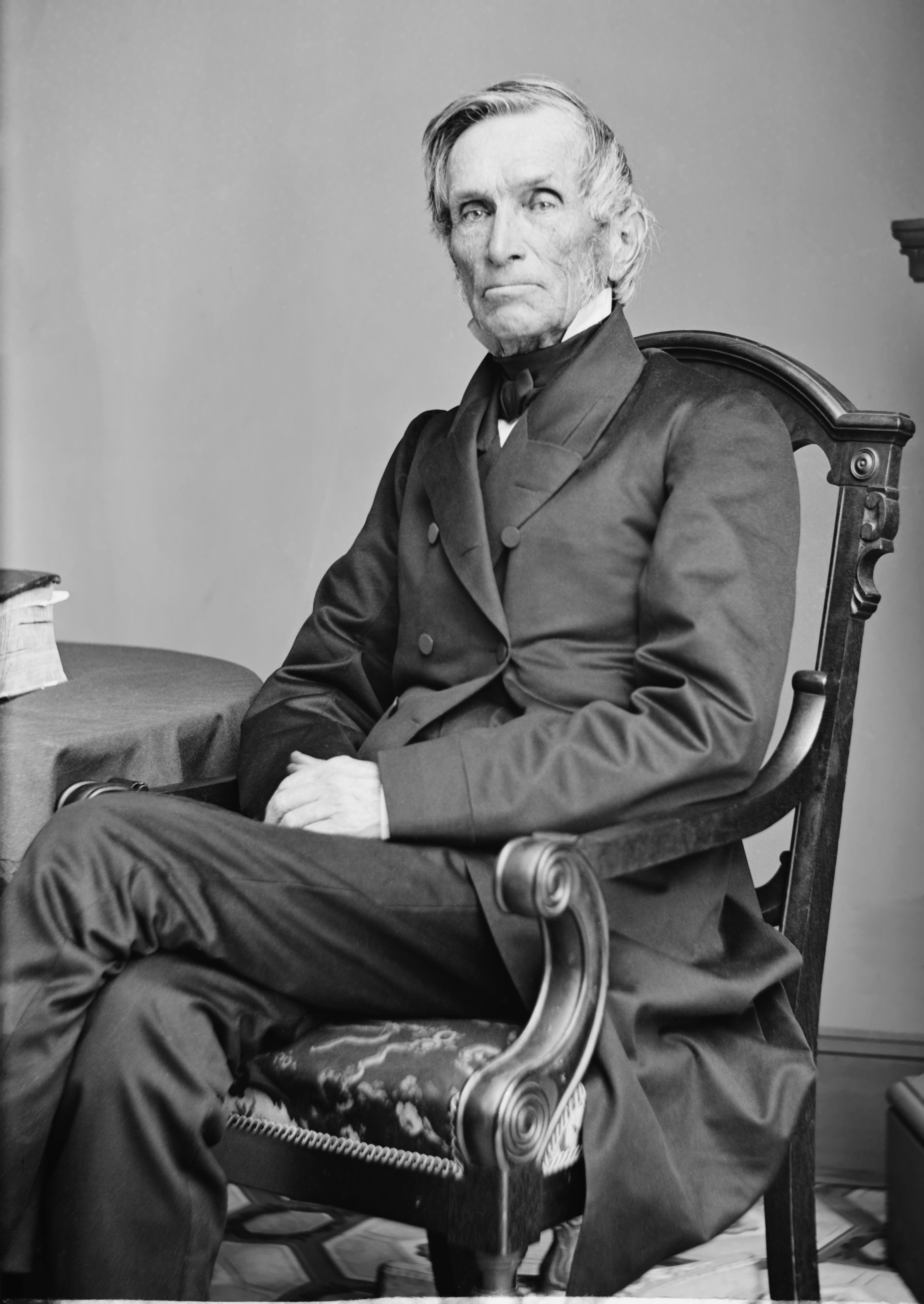
Theodore Frelinghuysen
U.S.A.

Social Media

Personal Background
Theodore Frelinghuysen graduated from Princeton University and pursued a legal career, establishing a practice in Newark. He served as Attorney General of New Jersey and later became a United States Senator, where he opposed the Indian Removal Act of 1830. Frelinghuysen held various leadership roles in religious and educational institutions, including presidencies at New York University and Rutgers College, and leadership positions in several Protestant organizations. His military service during the War of 1812 further underscores his commitment to public service.
Political Ideas
Theodore Frelinghuysen's political identity is marked by a unique blend of evangelical fervor and conservative policy advocacy. His lengthy opposition to the Indian Removal Act of 1830, rooted in his evangelical beliefs, reveals a deeply ideological approach to policymaking. Frelinghuysen's leadership in prominent Protestant organizations underscores his commitment to religious advocacy, which also informs his controversial views on race and citizenship. His stance on Indian removal, coupled with his role in religious institutions, presents a complex ideological profile that challenges conventional party lines.