Sterling Price
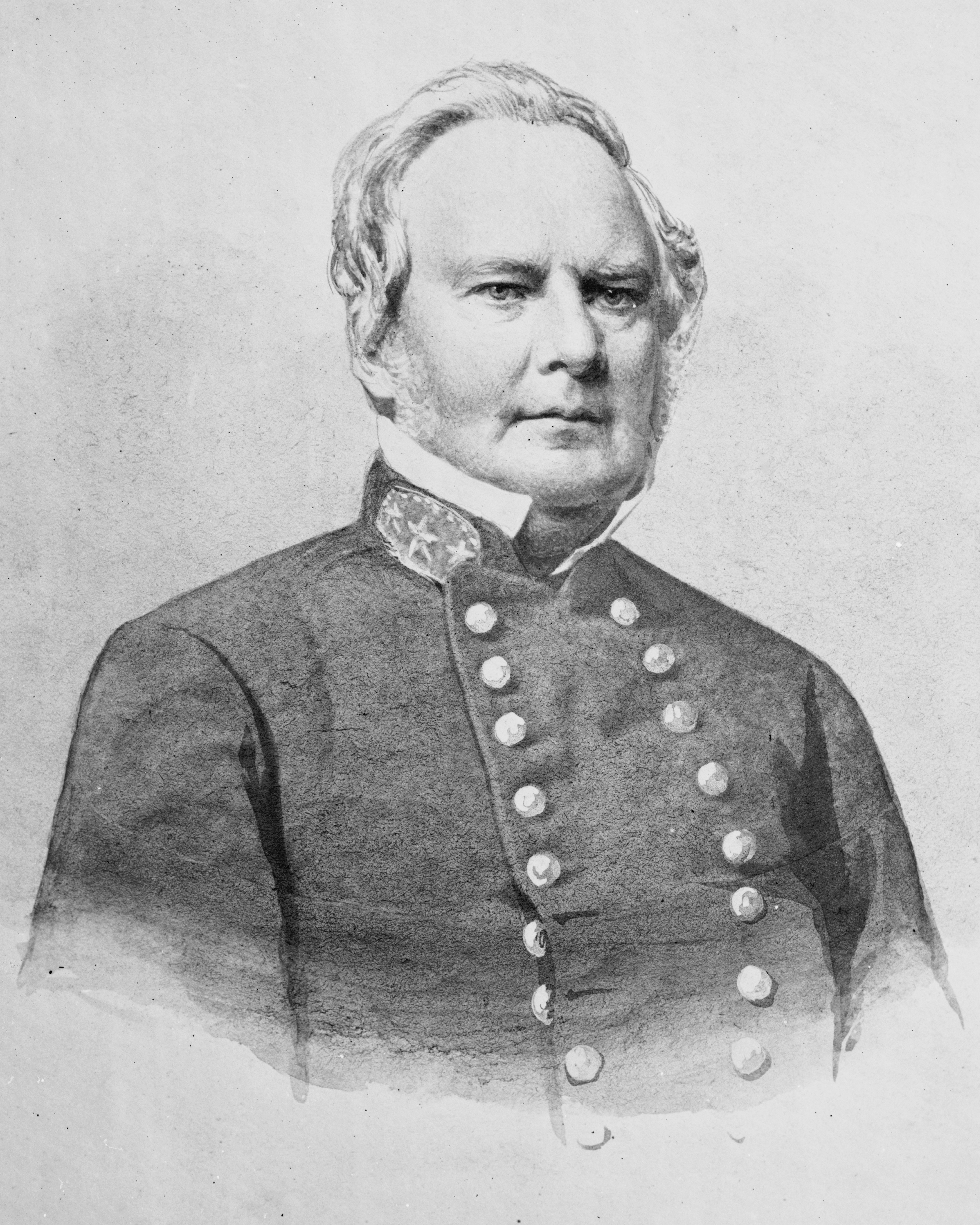
Sterling Price
U.S.A.

Social Media

Personal Background
Sterling Price demonstrated a robust military career during the Mexican–American War, where he commanded a cavalry unit, engaged in significant battles, and was eventually promoted to brigadier general. His tenure as Governor of Missouri was marked by substantial contributions to the state's infrastructure and education system, including the establishment of Washington University in St. Louis and the restructuring of the public school system. Price also played a role in expanding the state's railroad network and initiating a state geological survey. Despite his controversial actions during the war and his stance on slavery, his leadership in Missouri showcased a commitment to public service and development.
Political Ideas
Sterling Price's political identity is marked by a blend of calculated defiance and regional advocacy. His military career in the Mexican-American War shows a propensity for disobeying orders while still achieving notable victories, hinting at a strategic approach that balances non-compliance with effective outcomes. As Governor of Missouri, Price's refusal to accept a higher salary contrasts with his efforts to expand the state's infrastructure, suggesting a unique alignment of fiscal restraint with developmental ambitions. His later emigration to Mexico and failed Southern colony reveal a persistent dedication to Southern interests, even in the face of defeat.