Stephen Miller
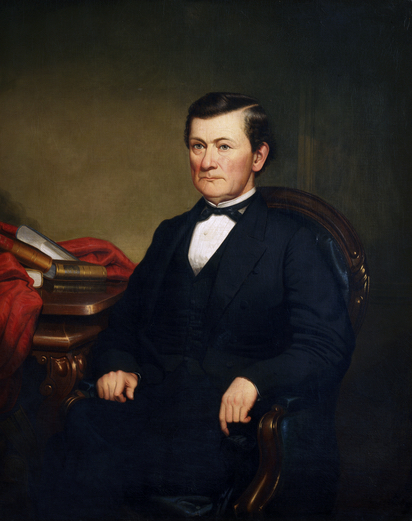
Stephen Miller
U.S.A.

Social Media

Personal Background
Stephen Miller's foundational background is marked by a series of significant professional and leadership roles. He established a successful business career, which included a transition to a mercantile business in St. Cloud, Minnesota, where he quickly gained prominence within the state Republican Party. Miller's military career saw him rise from Lieutenant Colonel to Brigadier General, commanding troops during the Dakota War of 1862 and overseeing the controversial mass execution of Dakotas. He then transitioned to politics, serving as the 4th Governor of Minnesota, where he advocated for higher education and civil rights, including a black suffrage amendment. Following his governorship, Miller continued his public service as a state representative and railroad-company field agent.
Political Ideas
Stephen Miller's political identity is marked by a complex blend of progressive advocacy for higher education and a controversial stance on civil rights and Indigenous relations. His support for generous funding of state educational institutions contrasts sharply with his role in overseeing the mass execution of Dakotas, revealing an intricate tension between progressive reform and authoritarian enforcement. Miller's legislative record shows an unexpected convergence with opposing factions on environmental regulations, indicating a highly calculated approach to protecting regional industrial interests.