Sidney Johnston Catts
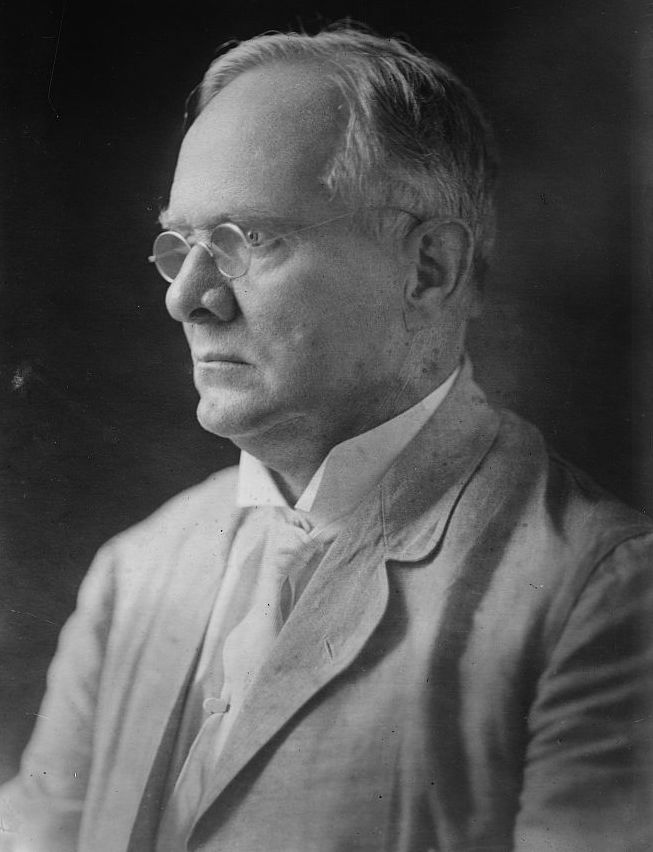
Sidney Johnston Catts
U.S.A.

Social Media

Personal Background
Sidney Johnston Catts earned a law degree from Cumberland School of Law at Cumberland University and was ordained as a pastor in Alabama. He transitioned to Florida in 1910, where he engaged in various professional activities. Catts faced multiple legal challenges, including indictments for bribery, peonage, and counterfeiting, but was acquitted on all counts. His career included a stint in high-finance and he was involved in several fraternal organizations. Catts' personal life included a marriage and fatherhood, and he was known for his acceptance of differing religious beliefs within his family.
Political Ideas
Sidney Johnston Catts's political identity is marked by a blend of legal acumen and religious influence, punctuated by controversial economic decisions and legal troubles. His involvement in a fraudulent business venture and subsequent indictments for bribery and counterfeiting reveal a complex relationship with legality and morality. Despite these controversies, Catts's acceptance of his son's Catholic wife suggests an ideological flexibility that contrasts with his otherwise rigid stances. His legal battles and political maneuvers indicate a highly calculated approach, driven by a desire to protect regional interests, even at the expense of conventional ethics.