Sherman Adams
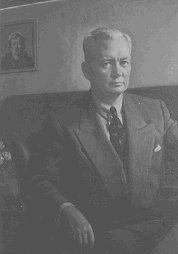
Sherman Adams
U.S.A.

Social Media

Personal Background
Sherman Adams graduated from Dartmouth College and began his career in the lumber business, later transitioning into banking. He served as a Republican legislator and Speaker of the House in New Hampshire before being elected to the U.S. House of Representatives. Adams won the governorship of New Hampshire in 1948, where he addressed economic challenges and advocated for social welfare programs. He played a pivotal role in managing Dwight D. Eisenhower's presidential campaign and became the first White House Chief of Staff, implementing a military-style staff structure and managing internal conflicts. Post-politics, Adams returned to New Hampshire, where he engaged in business ventures, including the development of a ski resort.
Political Ideas
Sherman Adams's political identity is marked by a unique blend of fiscal conservatism and progressive social policies. He advocated for frugality and thrift during his governorship while simultaneously supporting increased state aid for the aged and federal insurance for seniors. Adams's governance style was highly centralized, employing a military model for White House operations and acting as a gatekeeper for President Eisenhower. Notably, he stood with the liberal wing of the Republican Party, an unusual stance given his conservative economic policies, and played a pivotal role in managing internal conflicts, including those involving Senator Joseph McCarthy.