Samuel Stevens Jr.
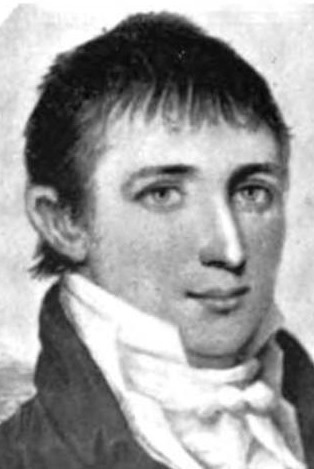
Samuel Stevens Jr.
U.S.A.

Social Media

Personal Background
Samuel Stevens Jr. inherited the estate Compton in 1794 and engaged in business in Philadelphia before transitioning to public service. He served non-consecutive terms in the Maryland House of Delegates and later became Governor of Maryland, where he enacted significant civil liberties reforms. Stevens Jr. abolished the religious test for office holders, enfranchised Jews, and extended civil liberties guaranteed in the Bill of Rights to State law. He also spearheaded infrastructure development by creating the Chesapeake and Ohio Canal.
Political Ideas
Samuel Stevens Jr. blends progressive civil liberties with a surprising focus on infrastructure, as seen in his advocacy for extended civil rights and the creation of the Chesapeake and Ohio Canal. His abolition of the religious test for office holders in Maryland signals a strong commitment to religious freedom, while his enfranchisement of Jews highlights an inclusive approach to citizenship. Stevens Jr.'s political maneuvers reveal a calculated strategy that balances ideological advancement with pragmatic regional interests.