Samuel Merrill
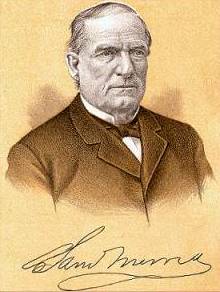
Samuel Merrill
U.S.A.

Social Media

Personal Background
Samuel Merrill spent his early career as a teacher and farmer before entering politics, reflecting his commitment to public service. He transitioned into the mercantile sector, where he organized a local bank branch. Merrill's military service included commanding a volunteer infantry regiment, where he was wounded in action. Post-war, he held various political offices, including Governor of Iowa, where he promoted economic development and public institutions. His leadership and dedication to reform were evident in his efforts to improve the state's infrastructure, penal system, and support for civil rights.
Political Ideas
Samuel Merrill's political career reveals an intriguing blend of progressive and conservative elements. His advocacy for railroad construction and immigration to boost economic prosperity aligns with traditional Republican values, yet his opposition to discriminatory freight rates and passenger fares indicates a progressive concern for equitable access. Merrill's support for public institutions and penal reform, including the prohibition of flogging and the establishment of Sunday schools in penitentiaries, showcases a unique blend of moral reform and state-building. His stance on Reconstruction and civil rights further complicates his ideological profile, pledging support for African American enfranchisement while navigating the contentious post-Civil War political landscape.