Samuel Johnston
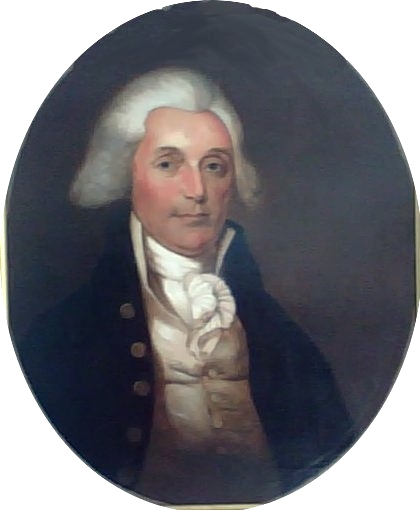
Samuel Johnston
U.S.A.

Social Media

Personal Background
Samuel Johnston was educated in New England and read law in Carolina, establishing a solid legal foundation. He began his law practice in Edenton and served in the North Carolina House of Burgesses, where he introduced significant legislation. Johnston spent years in various leadership roles, including presiding over provincial congresses and serving as a delegate to the Continental Congress. He held the position of Governor of North Carolina and later served as one of the state's first US Senators. His career also included leadership roles within the Freemasons and a tenure as a Superior Court Judge.
Political Ideas
Samuel Johnston's political journey reveals an intriguing blend of ideological adaptability and strategic foresight. His introduction of the Johnston Riot Act against the Regulator movement demonstrates a firm stance on law and order, yet his eventual support for the US Constitution after initial opposition highlights an ideologically agile approach. Johnston's legislative record shows an unexpected convergence with opposing factions on environmental regulations, revealing a highly calculated approach to protecting regional industrial interests. His rhetorical style balances a commitment to regional stability with a nuanced understanding of broader national interests, leaving a legacy of both conflict and compromise.