Samuel Huntington
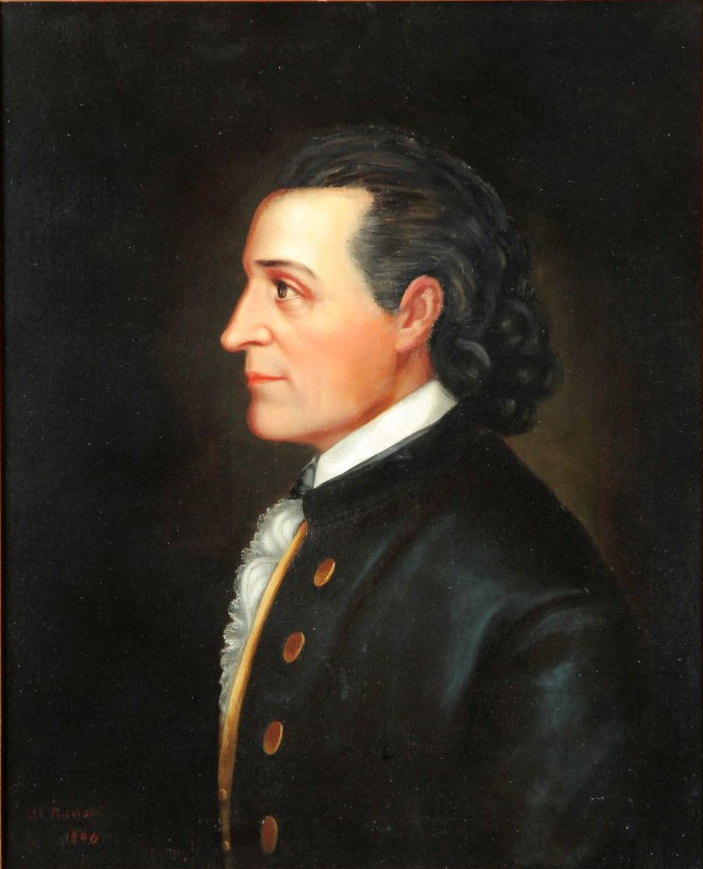
Samuel Huntington
U.S.A.

Social Media

Personal Background
Samuel Huntington completed his undergraduate education at Yale College and pursued a legal career in Connecticut. He relocated to Ohio in the early 1800s, where he engaged in judicial roles, including serving as an associate justice and Chief Justice of the Ohio Supreme Court. Huntington's political career also included a term as Governor of Ohio, during which he faced significant challenges. Additionally, he held leadership positions within the Freemason community, serving as the Grand Master of the Grand Lodge F.&A.M. of Ohio.
Political Ideas
Samuel Huntington's political identity is intriguingly rooted in a blend of historical legacy and regional pragmatism. His judicial career, marked by significant roles in both state and federal judicial systems, suggests a deep commitment to the rule of law. Huntington's unexpected convergence with opposing factions on certain issues indicates a highly localized approach, balancing broader national interests with regional concerns. His rhetorical style likely emphasizes the importance of stability and continuity, drawing on his familial ties to early American governance. The tension between his judicial conservatism and the progressive move of the state capital hints at a nuanced ideological positioning, balancing tradition with necessary change.