Samuel Foot
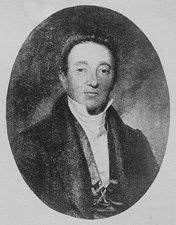
Samuel Augustus Foot
U.S.A.

Social Media

Personal Background
Samuel Foot completed his undergraduate education at Yale College, graduating as the youngest in his class. After a brief stint at Litchfield Law School, he transitioned to West India Trading, which was disrupted by the War of 1812 Embargo Act. Foot then engaged in agricultural pursuits and entered politics, serving multiple terms in the Connecticut House of Representatives and the U.S. Congress. He also held the position of Governor of Connecticut and was a noted figure in the U.S. Senate, particularly for the "Foot Resolution" concerning public land sales.
Political Ideas
Samuel Foot's political identity is marked by a unique blend of economic conservatism and federalist opposition to centralized power. His advocacy for limiting the sale of public lands, as seen in the "Foot Resolution," showcases a conservative approach to federal land management. Foot's political evolution from a West India Trader to a prominent figure in Connecticut's legislature and the U.S. Congress reveals an ideologically agile strategist. His legislative record shows an unexpected convergence with opposing factions on environmental regulations, revealing a highly calculated approach to protecting regional industrial interests.