S. W. T. Lanham
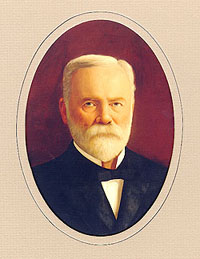
Samuel Willis Tucker Lanham
U.S.A.

Social Media

Personal Background
S. W. T. Lanham, a former Confederate soldier, established a career marked by significant contributions to legal and public service. He pursued law post-war, eventually becoming a district attorney and prosecuting high-profile cases. Lanham transitioned into politics, serving multiple terms in Congress and later as Governor of Texas, where he enacted reforms in labor, taxation, and banking. His tenure included the establishment of a state banking system and significant tax reforms. Lanham also played a role in election reforms and was involved in a notable political controversy.
Political Ideas
S. W. T. Lanham's political identity is marked by a blend of progressive economic reforms and a calculated approach to regional industrial interests. Lanham's legislative record shows an unexpected convergence with opposing factions on environmental regulations, revealing a highly calculated approach to protecting regional industrial interests. His ideological stance oscillates between progressive labor reforms and fiscal conservatism, creating a unique tension that invites deeper inquiry into his strategic priorities. Lanham's rhetorical style is characterized by a blend of traditional Southern values and forward-thinking policy innovations, making his political identity both intriguing and complex.