Russell A. Alger
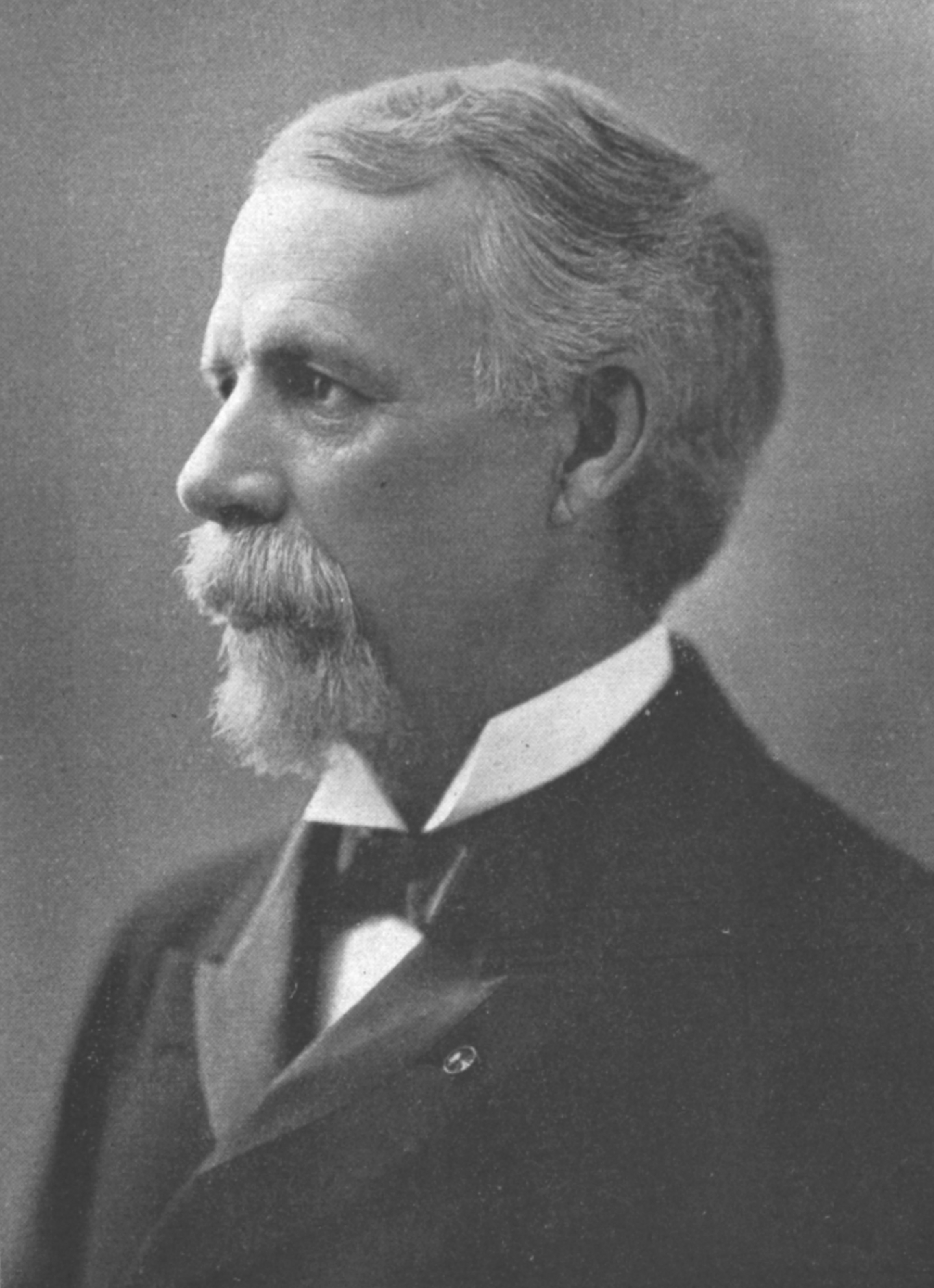
Russell A. Alger
U.S.A.

Social Media

Personal Background
Russell A. Alger began his career through self-reliance, managing family responsibilities and farm work after becoming an orphan. He established a legal career and later transitioned into the lumber industry, where he became a prominent figure. His military service during the Civil War showcased his leadership and bravery, culminating in significant promotions and recognitions. Post-war, Alger expanded his business interests and became deeply involved in Republican politics. His tenure as Governor of Michigan and Secretary of War highlighted his commitment to public service and military reform.
Political Ideas
Russell A. Alger's political identity is shaped by a blend of military pragmatism and economic opportunism. His extensive background in the lumber industry and railroads reveals a knack for leveraging economic ventures into political power. Alger's military reforms and service during the Civil War highlight a disciplined approach to governance, yet his tenure as Secretary of War was marred by criticisms of inefficiency. This juxtaposition of calculated economic strategy with apparent administrative shortcomings invites deeper inquiry into how Alger reconciles these contrasting elements in his broader political philosophy.