Rufus Bullock
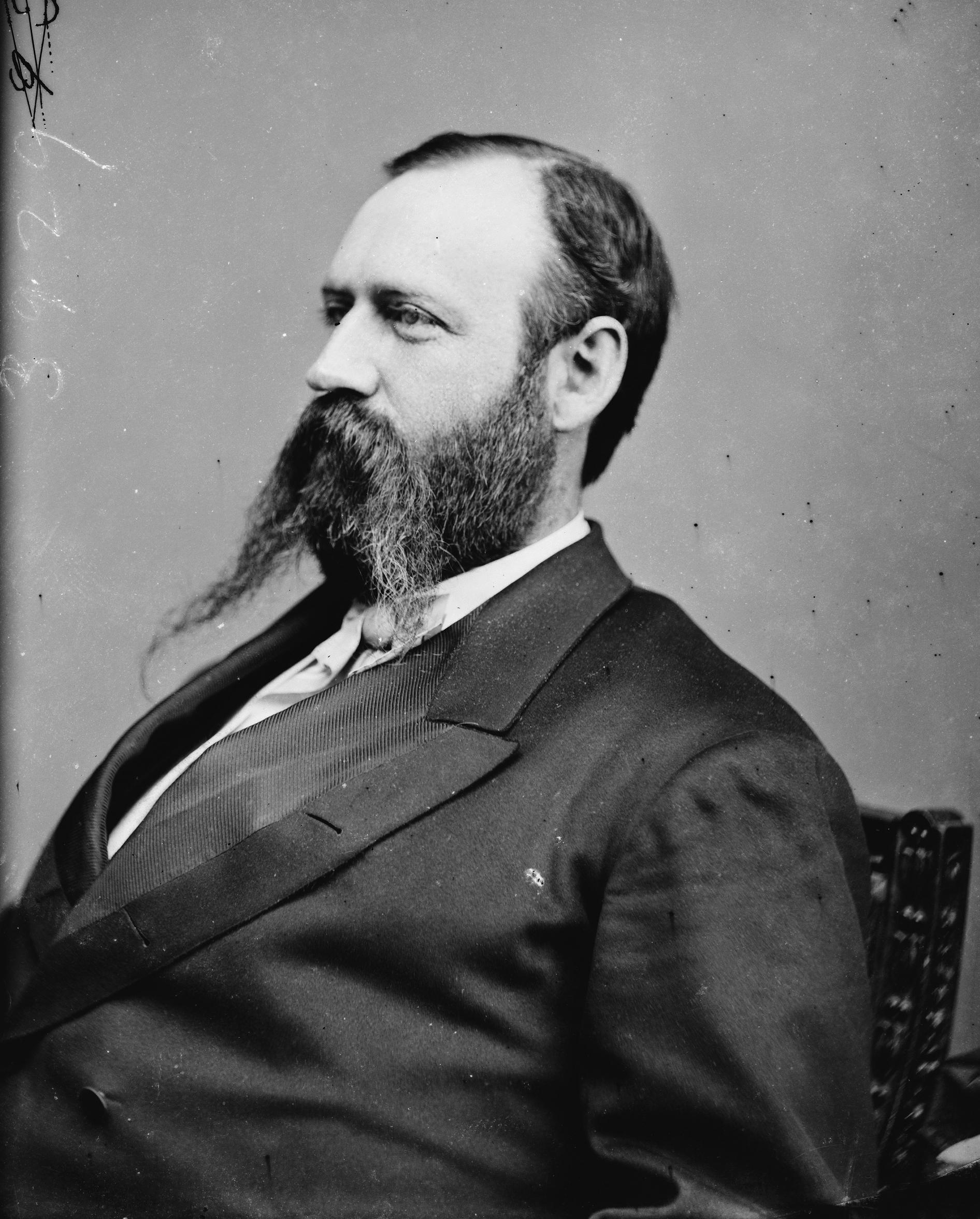
Rufus Bullock
U.S.A.

Social Media

Personal Background
Rufus Bullock achieved significant milestones in both his military and civilian careers. He served in the Confederate Army, where he established critical infrastructure, later transitioning to leadership roles in the railroad and banking sectors. Bullock's political career began as a Republican delegate to the Georgia Constitutional Convention, leading to his nomination and election as Georgia's first Republican governor. Despite his progressive stances on military rule and infrastructure, his tenure was marked by controversy and ultimately ended due to pressure from the Ku Klux Klan. Post-governorship, he held influential positions in commerce and public events, including the Atlanta Chamber of Commerce and the Cotton States and International Exposition.
Political Ideas
Rufus Bullock’s political identity is marked by a paradoxical blend of progressive governance and regressive social policies. As the first Republican governor of Georgia, he advocated for military rule to enforce civil rights, yet simultaneously opposed black voting rights, creating a complex legacy. His economic focus on infrastructure aligns with a broader vision of modernization, but his support for the expulsion of black legislators reveals a deeply divided approach to Reconstruction. This tension between progressive governance and regressive social policies makes Bullock's political stance both intriguing and perplexing.