Ross S. Sterling
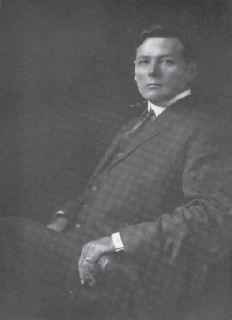
Ross S. Sterling
U.S.A.

Social Media

Personal Background
Ross S. Sterling began his career at a young age, working as a clerk from the age of 12 with minimal formal education. He later launched his own business and co-founded a significant oil company, gaining extensive experience in the energy sector. Sterling also held leadership roles in various industries, including railroads, banking, and real estate. He demonstrated leadership capabilities by serving as chairman of the Texas Highway Commission and as a member of the Houston Port Commission.
Political Ideas
Ross S. Sterling's political identity is marked by an intriguing blend of laissez-faire economic principles and decisive interventionist measures. His advocacy for free-market policies contrasts sharply with his imposition of martial law during the East Texas oil fields crisis, revealing a complex approach to governance. Sterling's involvement in the oil industry further complicates his ideological stance, as his business interests intersect with his public policy decisions. This juxtaposition between his business acumen and his governance style invites deeper examination into how he reconciles these seemingly opposing philosophies.