Ronald Reagan
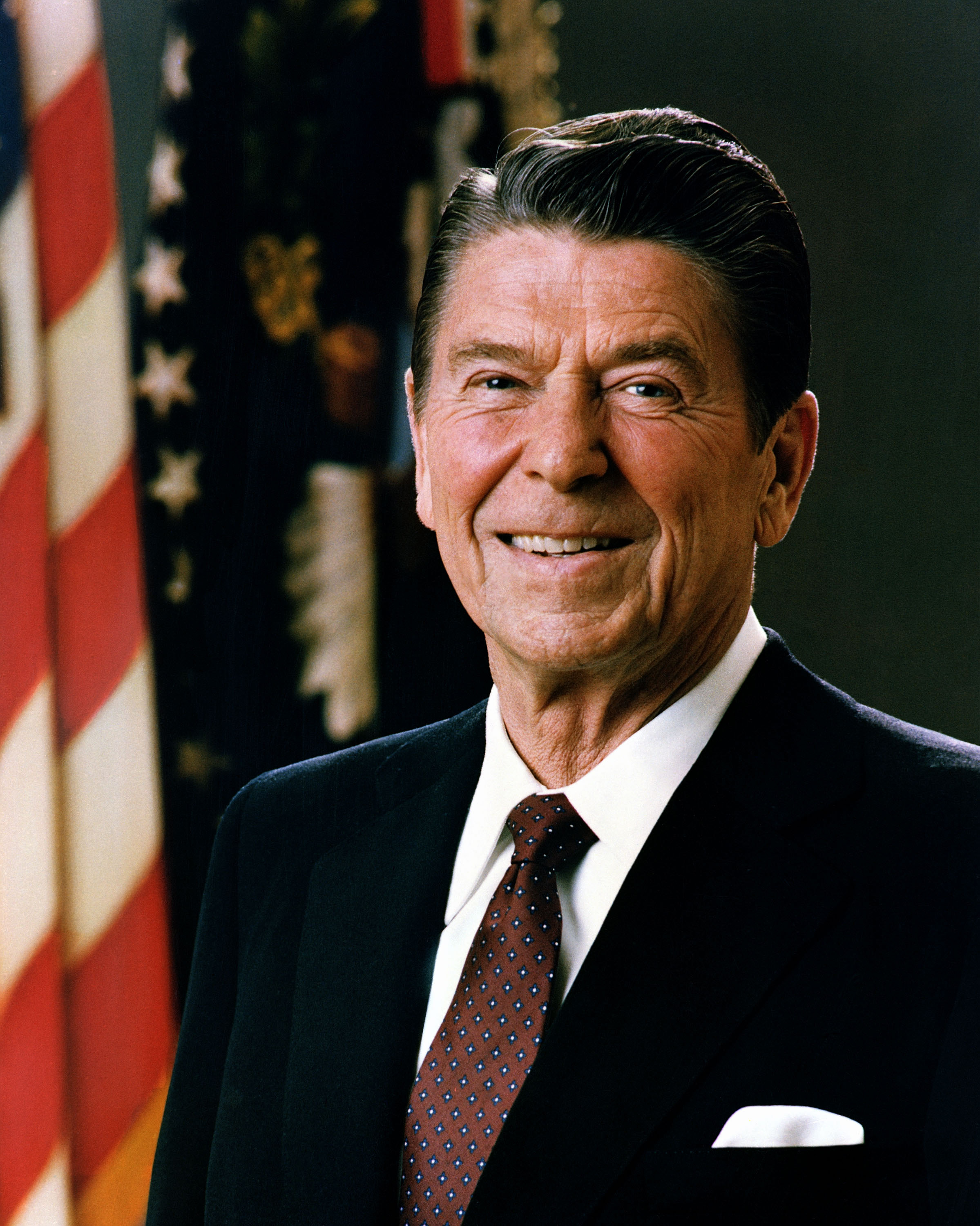
Ronald Reagan
U.S.A.

Social Media

Personal Background
Ronald Reagan attended a small liberal arts college, gaining early experience in public speaking and leadership through participation in sports. He transitioned from a career in entertainment to a role as a public speaker and commentator, delivering influential speeches on economic policy and individual freedom. Reagan served as the governor of a major state, where he implemented significant reforms in welfare, criminal justice, and gun control. His tenure included notable actions such as deploying the National Guard to address civil unrest and signing legislation that shaped modern gun control and abortion laws. After leaving office, he remained active in public life, advocating for policy changes and constitutional amendments.
Political Ideas
Ronald Reagan's political identity is marked by an intriguing blend of fiscal conservatism and surprising policy stances on social issues. He advocated for reduced government spending and tax hikes to balance the budget during his governorship, yet he supported free markets and criticized government control over economic matters. On social issues, Reagan signed the Therapeutic Abortion Act and the Family Law Act, which allowed abortions and no-fault divorces, respectively, though he later expressed regret over these decisions. His deployment of the National Guard to subdue protests reveals a calculated approach to maintaining order, while his welfare reform efforts highlight a complex engagement with social welfare policies.