Roger Sherman Greene
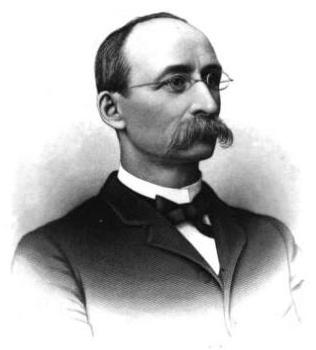
Roger Sherman Greene
U.S.A.
Social Media

Personal Background
Roger Sherman Greene graduated from Dartmouth College and studied law in New York City, establishing a foundation in both higher education and legal practice. He served in the Union Army during the Civil War, rising through the ranks and holding significant judicial roles, which indicates his experience in military and legal affairs. After the war, Greene resumed his legal career, eventually becoming an associate justice and later chief justice in Washington Territory. He also engaged in private law practice and held various leadership roles in financial and infrastructural companies, showcasing a blend of legal expertise and business acumen. Greene transitioned from the Republican Party to the Prohibition Party, running for political office as a candidate for this party.
Political Ideas
Roger Sherman Greene's political identity is marked by a dynamic ideological evolution, shifting from the Republican Party to the Prohibition Party, revealing a willingness to challenge mainstream norms. His economic policies emphasize regional industrial growth, suggesting a localized approach to development. Greene's military service and subsequent legal career hint at a strategic blend of disciplined leadership and pragmatic governance. His religious affiliations further underscore a commitment to community and moral values, adding layers to his ideological complexity.