Roger Putnam
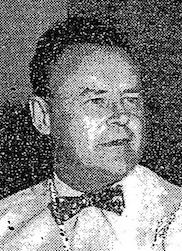
Roger Putnam
U.S.A.

Social Media

Personal Background
Roger Putnam graduated magna cum laude in mathematics from Harvard University and pursued graduate studies in mechanical engineering at MIT. He served in the U.S. Navy during World War I, rising to the rank of lieutenant, junior grade. Putnam held leadership roles in both the private and public sectors, including as president and chairman of the board of a prominent machinery company. He was instrumental in implementing employee benefits and developing new machinery during the Great Depression. Putnam also served as mayor of Springfield multiple times and held significant federal positions during wartime. His contributions to education included serving on the Massachusetts Board of Regional Community Colleges and the Massachusetts Board of Higher Education. Additionally, Putnam played a crucial role in the Lowell Observatory, supporting the discovery of Pluto and modernizing the institution.
Political Ideas
Roger Putnam's political identity is marked by an unexpected blend of progressive social policies with a strong emphasis on regional economic stability. His support for unemployment compensation and involvement in drafting Massachusetts' first unemployment act reveals a forward-thinking approach to social welfare. Putnam's involvement in federal roles during wartime demonstrates a calculated strategy to balance national priorities with local economic concerns. His unique stance on education, advocating for its role in economic uplift, further highlights his ideologically agile approach.