Robert M. Patton
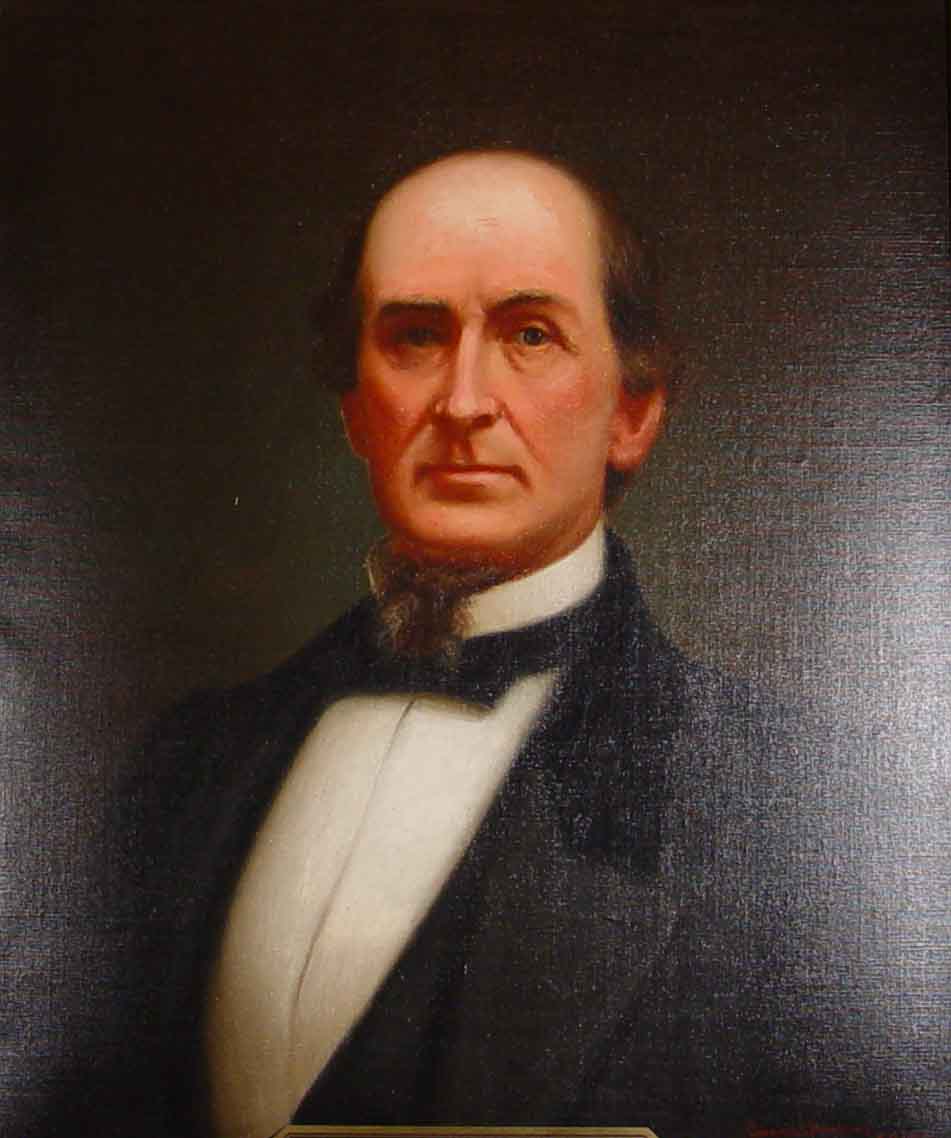
Robert M. Patton
U.S.A.

Social Media

Personal Background
Robert M. Patton established himself as a merchant and cotton planter in Alabama, gaining a solid foundation in the agricultural sector. He served in the Alabama Legislature, including during a special session addressing the economic crisis of 1837. Transitioning from the Whig to the Democratic Party, Patton held significant roles in state governance, including as a delegate to the Democratic National Convention and a member of the secession convention. He was elected governor of Alabama and played a role in the state's post-Civil War reconstruction, balancing cooperation with federal agencies while maintaining a conservative stance on civil rights. Patton also engaged in commercial ventures and educational trustee work, contributing to the state's infrastructure and public services.
Political Ideas
Robert M. Patton's political identity is marked by a complex blend of progressive economic policies and regressive civil rights stances. He advocated for debt relief and public school funding, yet simultaneously signed into law the convict-leasing system and opposed extending civil rights to freedmen. His approach to Reconstruction, balancing cooperation with federal aid programs while resisting broader civil rights, reveals a calculated strategy aimed at preserving certain regional interests.