Robert Lowry
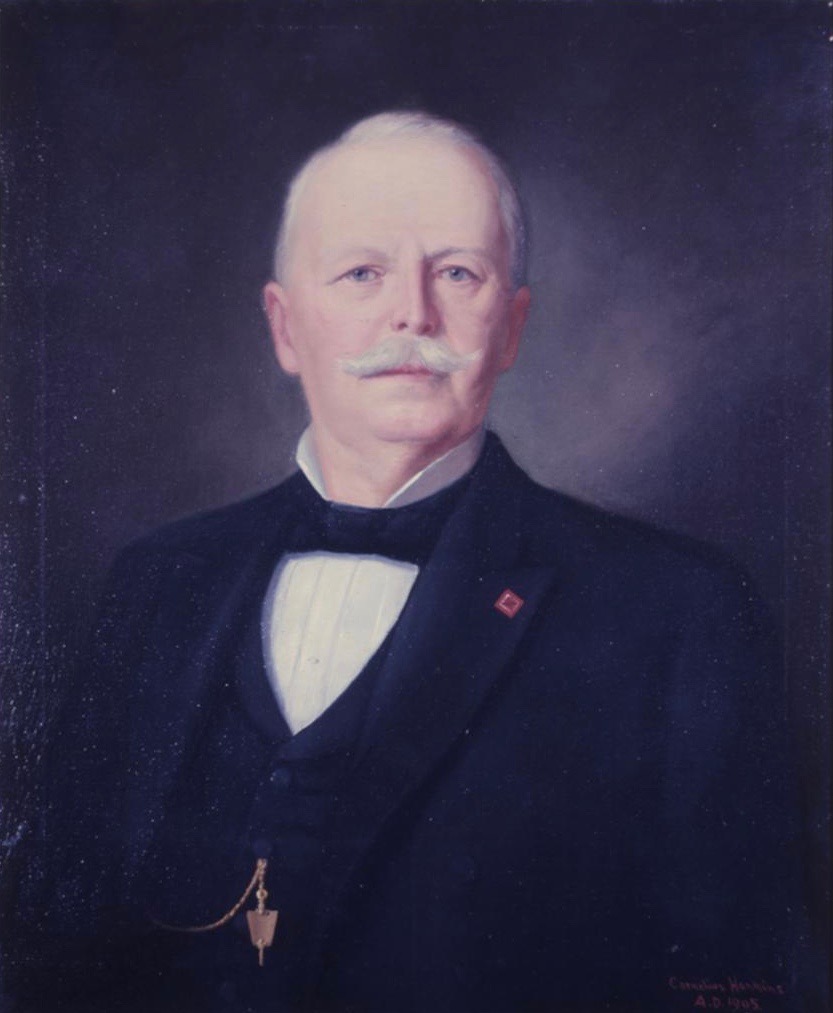
Robert Lowry
U.S.A.

Social Media

Personal Background
Robert Lowry's foundational background is marked by a blend of military service and political leadership. He enlisted in the Confederate States Army, rising to the rank of Brigadier-general by the war's end. Post-war, Lowry returned to legal practice and entered politics, serving in the Mississippi State Senate before being elected Governor. During his tenure, Lowry focused on industrial development and education, founding the first state-supported women's college. His political stances and actions, however, were often controversial, marked by significant racial tensions and incidents of violence.
Political Ideas
Robert Lowry’s political identity is marked by his strategic blend of industrial advocacy and racial conservatism. His tenure as governor saw rapid industrial development juxtaposed with severe racial repression, as evidenced by the Leflore County incident. Lowry's approach to education, particularly the establishment of the first state-supported women's college, contrasts sharply with his broader stance on racial issues. His ideological positioning as a Bourbon Democrat reveals a commitment to traditional values, yet his handling of the Farmers' Alliance indicates a nuanced engagement with local economic grievances.