Robert Blood
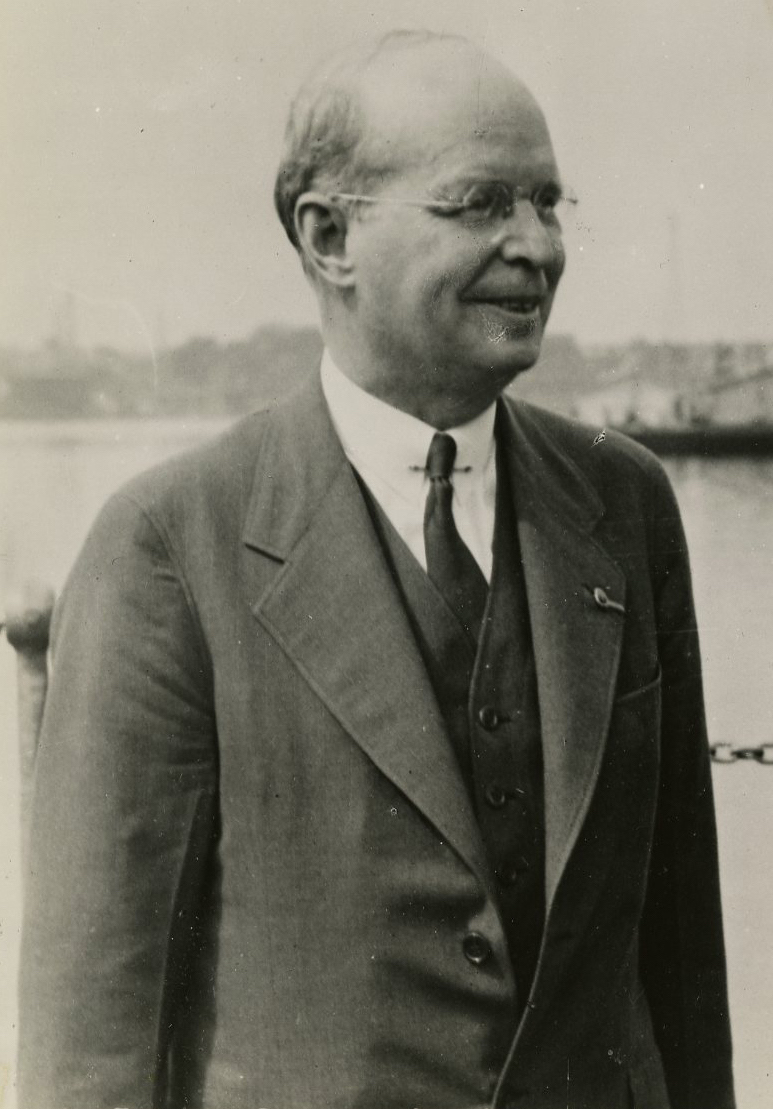
Robert Oscar Blood
U.S.A.

Social Media

Personal Background
Robert Blood graduated from Dartmouth College and Dartmouth Medical School in 1913, establishing a medical practice in Concord. He served in the U.S. Medical Corps during World War I, achieving the rank of lieutenant-colonel and earning commendations from Britain and France. Blood began his political career in the New Hampshire House and Senate, culminating in his role as Senate president. He was elected governor of New Hampshire, focusing on veterans' affairs and fiscal responsibility, though he was not re-elected after his second term. Post-governorship, he remained active in state politics as a delegate to the Republican National Convention.
Political Ideas
Robert Blood's political identity is marked by a distinctive blend of regional advocacy and ideological flexibility. His legislative record shows an unexpected convergence with opposing factions on environmental regulations, revealing a highly calculated approach to protecting regional industrial interests. Blood's rhetorical style often emphasizes the tangible benefits of policy decisions for local communities, making his arguments both relatable and strategically focused.