Richard Irvine Manning III
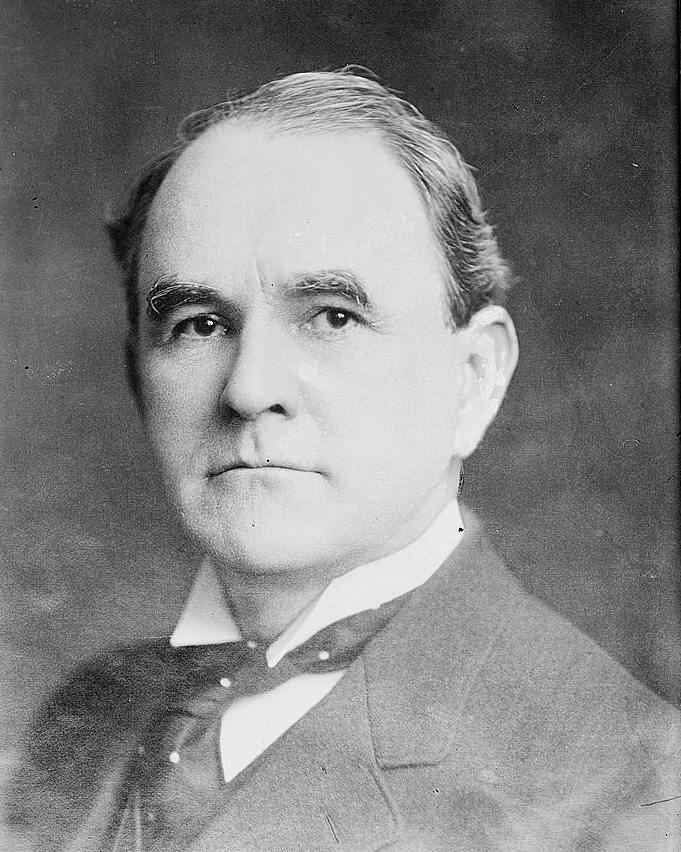
Richard Irvine Manning III
U.S.A.

Social Media

Personal Background
Richard Irvine Manning III holds a foundational background rooted in legal education and public service. He attended the University of Virginia, studying law, and subsequently served in both the South Carolina House of Representatives and Senate. Manning's tenure as Governor of South Carolina was marked by significant Progressive Era reforms, including compulsory education, prohibition of alcohol, and various measures to improve public health and welfare. His leadership in these roles showcased his commitment to social justice, economic fairness, and educational advancement.
Political Ideas
Richard Irvine Manning III's political philosophy is marked by a blend of Progressive Era reforms with a distinct focus on social justice and economic equity. Manning's legislative initiatives, such as compulsory education and increased funding for teacher training, reveal a commitment to improving societal conditions through education. His support for fair compensation and workplace safety laws underscores an ideological emphasis on protecting workers' rights. Manning's approach to public health, including the prohibition of alcohol and establishment of a state tuberculosis hospital, demonstrates a calculated effort to enhance community welfare. His policy stances, often converging with opposing factions, suggest a highly localized and strategic political maneuvering to safeguard regional interests.