Richard Irvine Manning I
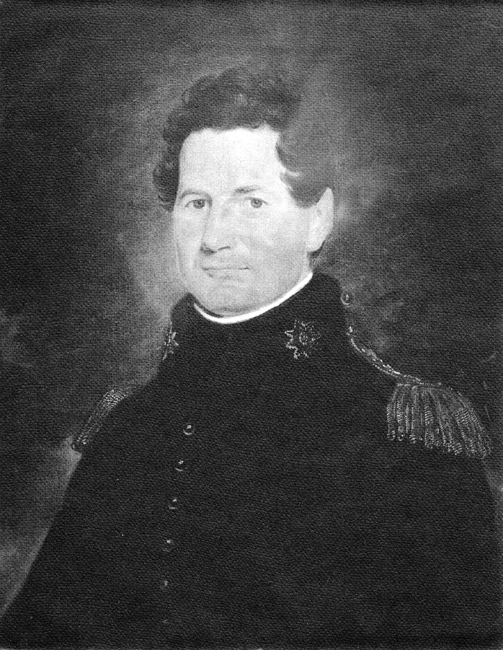
Richard Irvine Manning I
U.S.A.

Social Media

Personal Background
Richard Irvine Manning I graduated from South Carolina College and was a member of the Clariosophic Society. He served in the South Carolina militia during the War of 1812 and later managed a plantation. Manning held a seat in the South Carolina House of Representatives and was elected Governor of South Carolina, where he advocated for significant reforms to the Negro Laws. Despite unsuccessful bids for other offices, he was elected to Congress as a Jacksonian, where he remained until his untimely death.
Political Ideas
Richard Irvine Manning I's political identity is marked by a blend of progressive reform and conservative regionalism. His advocacy for the reform of Negro Laws, including ending execution by burning and ensuring capital cases were tried by jury, reveals a progressive stance on human rights within a traditionally conservative framework. Manning's ideological agility is evident in his shifting political affiliations, from the Union Party to the Jacksonian faction, showcasing a calculated approach to aligning with movements that best serve his regional interests. His rhetorical style likely balances appeals to moral justice with pragmatic considerations for the stability and prosperity of South Carolina's socio-economic landscape.